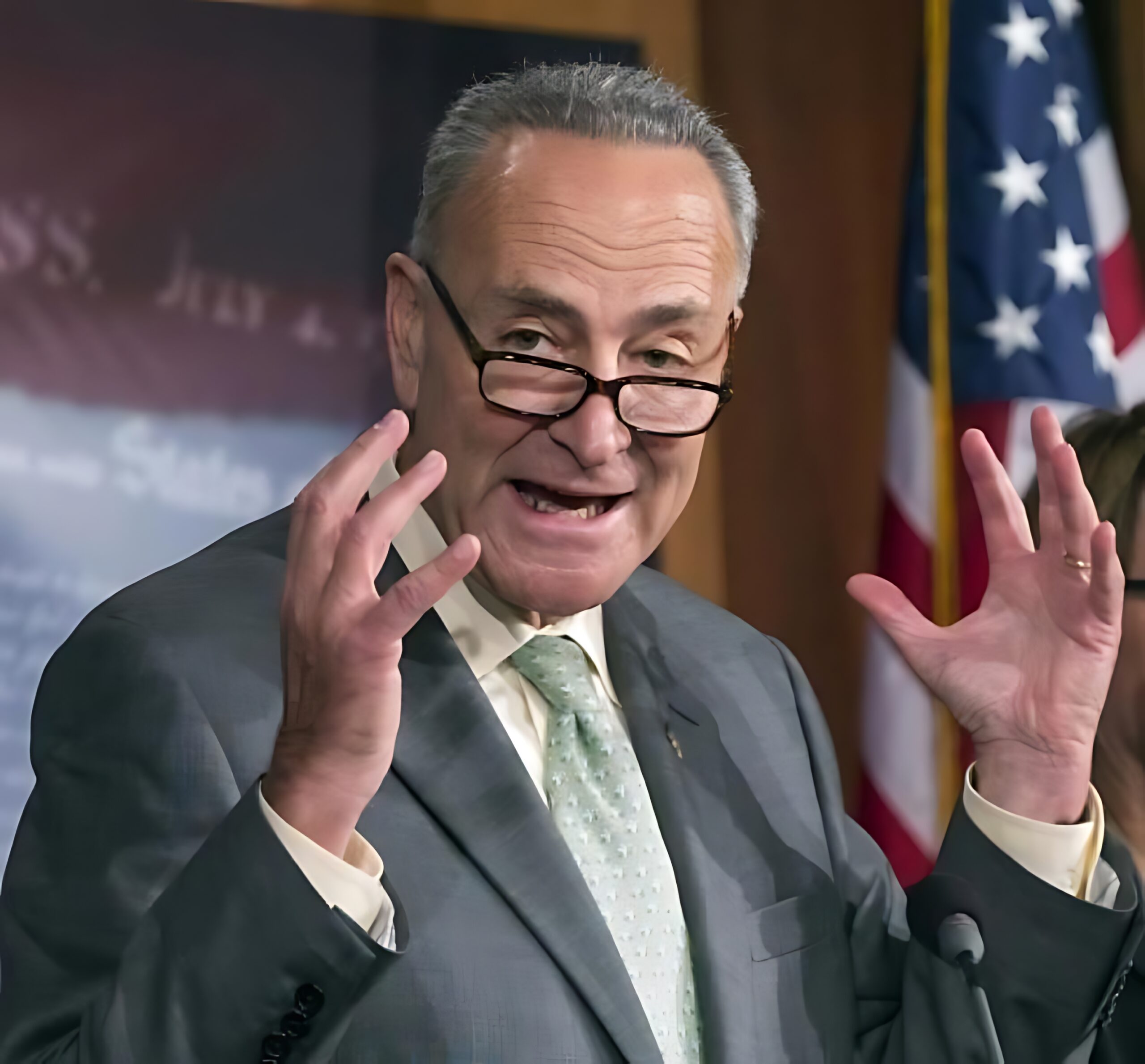
As the 2026 Senate map intensifies, questions are emerging inside Democratic circles about whether Senate Majority Leader Chuck Schumer is giving enough support to one of his party’s most sought‑after recruits — a candidate many strategists view as essential to maintaining control of the chamber.
According to recent reporting from political outlets and interviews with party operatives, the candidate — whose name varies depending on the state in focus — has privately expressed frustration over what they describe as slow‑moving national support, limited early funding signals, and a lack of clear public backing from Schumer. Several Democratic strategists say the situation has created uncertainty at a moment when early momentum can shape the trajectory of a competitive race.
A High‑Priority Race With High Stakes
The seat in question is widely considered one of the most pivotal of the cycle. Party officials have spent months recruiting a strong contender, hoping to avoid a bruising primary and consolidate resources early. Schumer played a central role in that recruitment effort, according to multiple reports, making the current tension more notable.
Democratic strategists say the candidate was expected to receive more visible national support once they entered the race. Instead, the rollout has been quieter than anticipated, leaving some donors and local allies unsure how aggressively the national party plans to invest.
Republican groups, meanwhile, have already begun defining the race with early ads and coordinated messaging, increasing pressure on Democrats to unify quickly.
Why Schumer May Be Holding Back
People familiar with Schumer’s thinking say there are several possible reasons for the slower‑than‑expected embrace:
- Strategic timing: National leaders sometimes delay public involvement to avoid overshadowing local campaigns or to let candidates build their own brand.
- Resource allocation: With multiple competitive seats on the map, party committees may be pacing their spending and endorsements.
- Internal dynamics: Some Democrats suggest Schumer may be waiting to see whether other potential candidates enter or exit the race before fully committing.
Political analysts note that Schumer has historically been hands‑on in Senate recruitment, but he also tends to calibrate his involvement based on polling, fundraising, and the broader national environment.
Growing Concerns Among Party Insiders
Privately, some Democrats worry that the lack of early national backing could leave the candidate vulnerable to attacks or allow opponents to define the race first. Early fundraising numbers will likely determine whether those concerns escalate.
Others argue that the situation is being overstated, saying Schumer and the Democratic Senatorial Campaign Committee often operate behind the scenes early in the cycle and may simply be waiting for the right moment to step in publicly.
What Comes Next
The coming months will reveal whether Schumer moves to more visibly support his recruit — through fundraising events, public endorsements, or strategic coordination — or whether the candidate continues to navigate the early phase of the campaign with limited national involvement.
For now, the question remains open: is this a deliberate strategy, or is one of the party’s top recruits being left to twist in the wind?