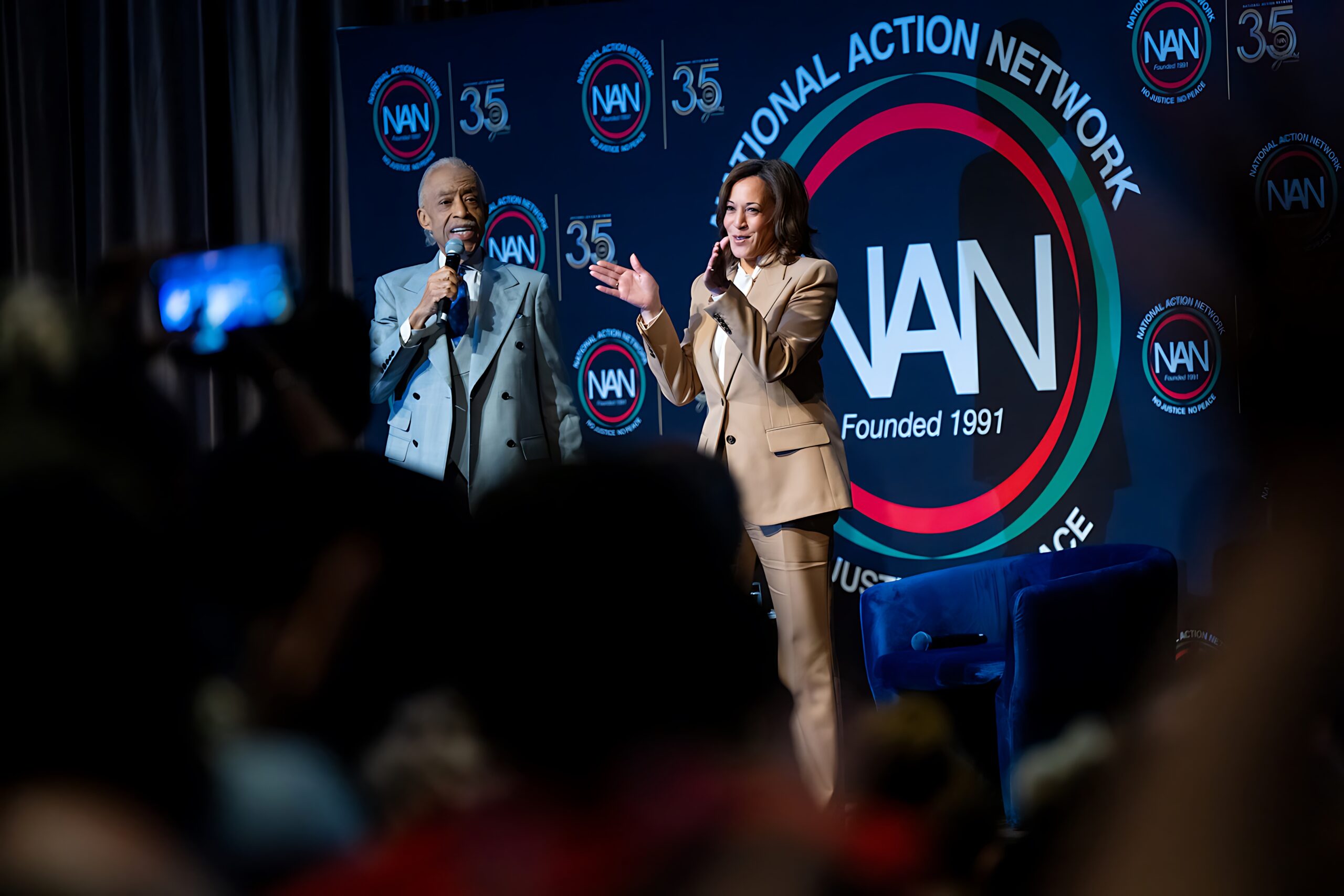
In a political climate defined by polarization and renewed activism, the earliest wave of 2028 presidential hopefuls is already testing messages, donors, and public reactions — and civil rights issues have quickly emerged as the defining battleground. While no candidate has formally launched a campaign, the unofficial “audition phase” is underway, with speeches, town halls, and policy previews signaling what may become the core debates of the next election cycle.
Civil Rights Moves From Background to Frontline
The past several years have seen a surge in public attention to voting rights, policing reform, reproductive autonomy, LGBTQ+ protections, and the role of federal oversight in safeguarding civil liberties. As a result, early contenders are positioning themselves around these themes not as secondary talking points, but as central pillars of their political identities.
Several potential candidates have begun emphasizing the need to strengthen federal protections for voting access, citing concerns about state-level restrictions and legal battles over redistricting. Others are focusing on criminal justice reform, highlighting disparities in sentencing, police accountability, and the use of federal grants to encourage local reforms.
Reproductive rights — especially in the wake of shifting state laws — have also become a litmus test for national viability. Early speeches suggest that candidates on both sides of the issue see it as a defining moral and legal question for 2028.
Activist Pressure Shapes the Conversation
Civil rights organizations, energized by recent court rulings and legislative fights, are pushing potential candidates to take clearer, more uncompromising positions. Groups focused on racial justice, disability rights, and LGBTQ+ protections have already begun issuing scorecards and public letters aimed at shaping the policy landscape before campaigns formally launch.
This pressure is influencing how early hopefuls frame their messages. Instead of broad calls for unity, many are offering more detailed proposals — from federal standards for policing to national protections for gender identity and sexual orientation.
Voters Signal What They Want to Hear
Polling from the past year shows that civil rights issues rank high among younger voters, urban communities, and increasingly among suburban voters who have become more engaged in national debates over education, privacy, and personal freedoms. Early 2028 hopefuls appear to be responding to this shift, tailoring their public appearances to emphasize fairness, equality, and the role of government in protecting individual rights.
A Preview of the 2028 Debate Stage
While the field remains unofficial, the early maneuvering suggests that civil rights will be one of the most prominent and contentious themes of the 2028 race. Candidates are not only outlining policy positions but also attempting to define what civil rights mean in a rapidly changing social and technological landscape.
If the current audition phase is any indication, the next presidential cycle will feature a deeper, more explicit confrontation over the nation’s values — and the extent to which the federal government should intervene to protect them.