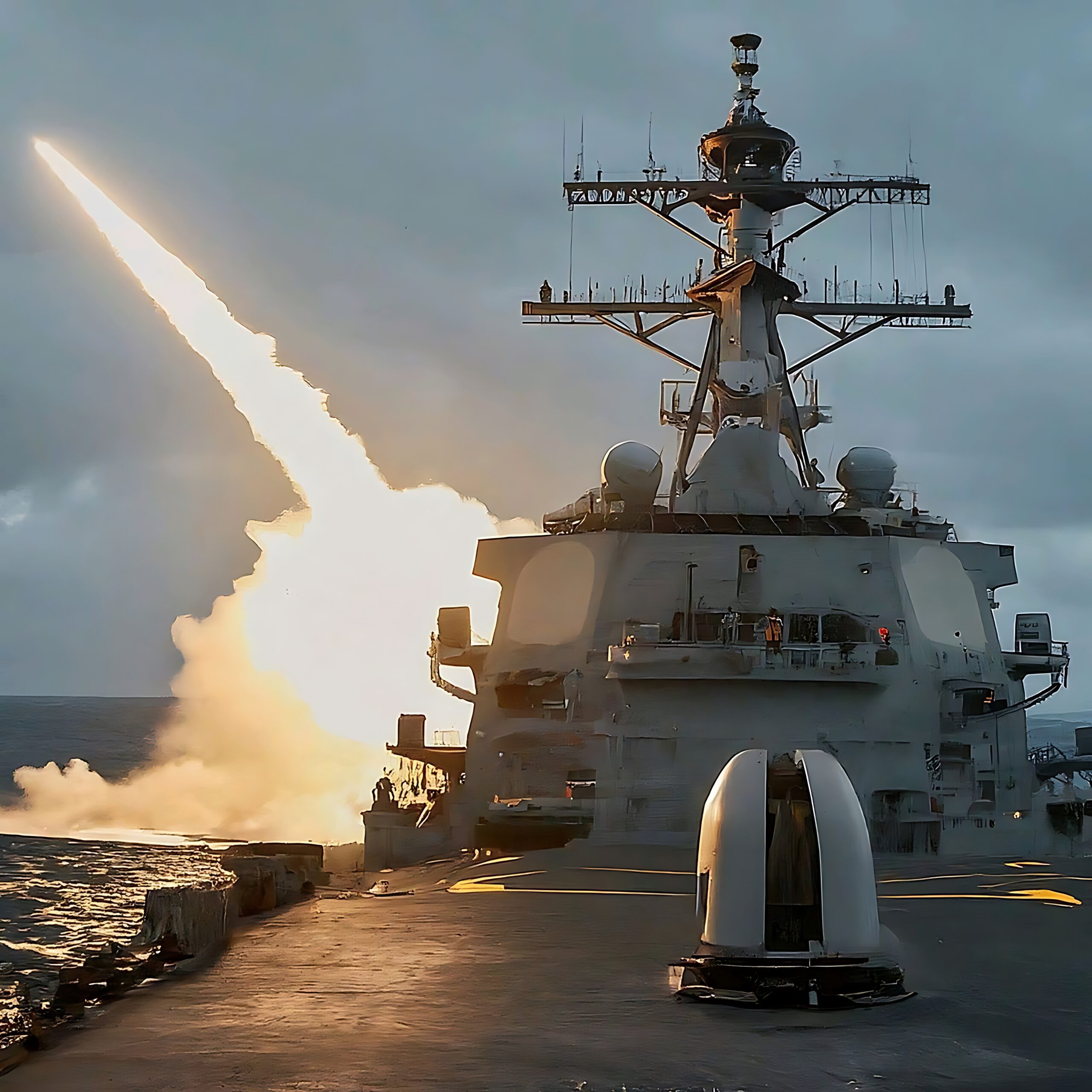
April 2026 — Washington, D.C.
U.S. Central Command announced that American naval forces will begin enforcing a maritime blockade on traffic entering and exiting Iranian ports starting Monday, marking one of the most consequential military actions undertaken during President Donald Trump’s current term. The move is expected to significantly escalate tensions in the Persian Gulf and reshape commercial shipping patterns across the region.
CENTCOM: Blockade Aimed at “Restricting Hostile Maritime Activity”
In a brief statement, CENTCOM officials said the operation will involve U.S. Navy carrier strike groups, surveillance aircraft, and allied support vessels positioned throughout the Gulf of Oman and the Strait of Hormuz. The mission’s stated objective is to “restrict hostile maritime activity and prevent the movement of materials that threaten regional stability.”
Officials did not specify how long the blockade will remain in effect, describing it as a “conditions‑based operation.”
Impact on Global Shipping and Energy Markets
Iran’s major commercial ports—including Bandar Abbas, Bushehr, and Chabahar—serve as critical hubs for regional trade. Analysts say the blockade could disrupt shipping lanes that carry a significant share of the world’s oil and liquefied natural gas.
Early market reactions have already shown volatility, with energy traders bracing for potential supply chain disruptions. Maritime insurers have begun issuing advisories warning of elevated risk levels for vessels operating near Iranian territorial waters.
Iranian Response and Regional Concerns
Iranian officials condemned the announcement, calling the blockade an “act of aggression” and warning that the country would “defend its maritime rights.” Regional governments, including Oman and Qatar, have urged restraint, citing fears that miscalculations could lead to broader conflict.
Diplomatic channels remain active, though no formal negotiations have been announced.
Allied Coordination and International Law Questions
U.S. officials say several partner nations have been briefed on the operation, though it remains unclear which allies, if any, will participate directly. Legal experts note that maritime blockades typically require either a United Nations mandate or a state of armed conflict, raising questions about the international framework under which the operation will proceed.
The White House has not yet released a detailed legal justification.
What Happens Next
CENTCOM is expected to provide additional updates once the blockade is underway, including information on inspection protocols, vessel diversion procedures, and safety advisories for commercial shipping.
For now, global attention is focused on the waters surrounding Iran, where the U.S. Navy is preparing for one of its most complex and politically sensitive missions in recent years.