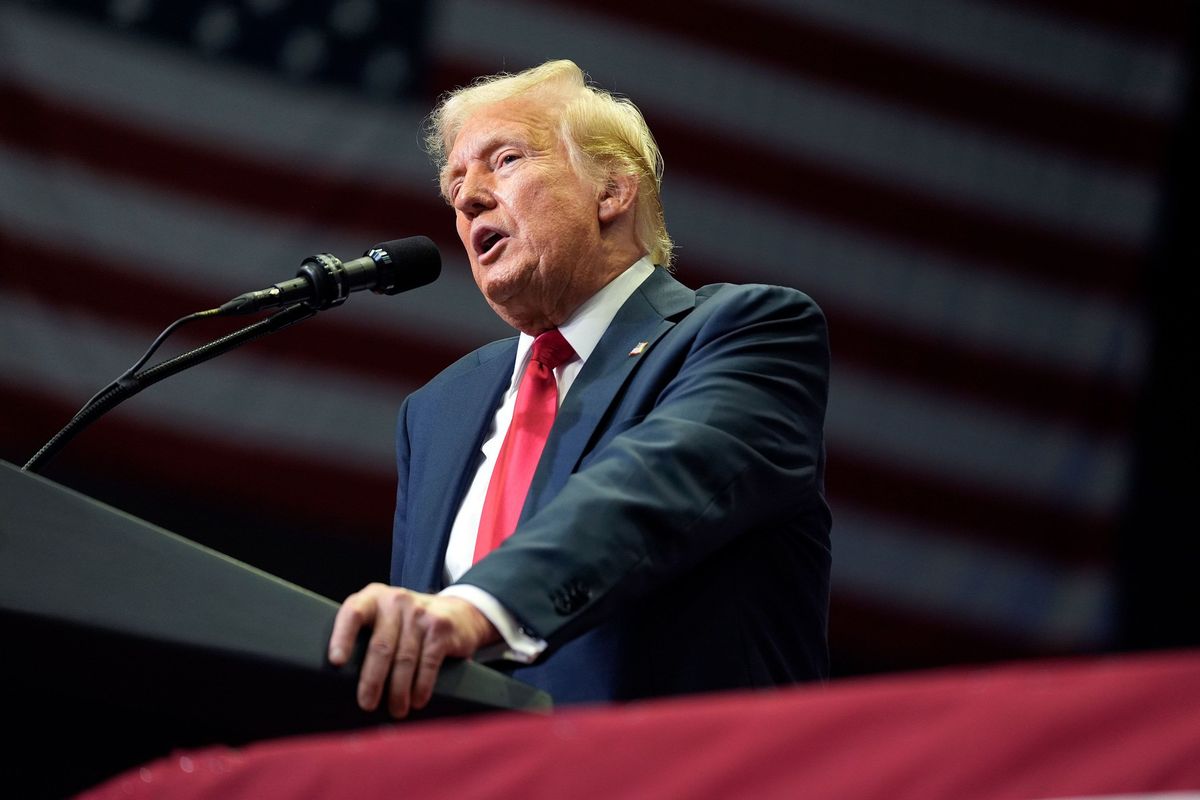
WASHINGTON — As the 2026 midterm cycle begins to take shape, a growing number of Republican strategists and elected officials are privately expressing concern that former President Donald Trump’s unpredictable political style could complicate the party’s efforts to hold the House and regain ground in the Senate.
Interviews with GOP aides, campaign advisers, and conservative commentators reveal a widening anxiety: that Trump’s public statements, social‑media posts, and willingness to attack fellow Republicans may overshadow the party’s messaging and create internal fractures at a critical moment.
Several strategists described the situation as a “2026 problem” — a challenge that could shape candidate recruitment, fundraising, and the party’s ability to present a unified agenda.
Internal Tensions Resurface
Republican officials say the tension is not new but has intensified in recent months as Trump has escalated criticism of GOP lawmakers who diverge from him on foreign policy, spending, or investigations. Some lawmakers worry that Trump’s rhetoric could depress turnout among moderate suburban voters or spark divisive primaries in key battleground states.
One senior GOP strategist, speaking anonymously to discuss internal concerns, said Trump “operates on his own timeline and his own priorities,” making it difficult for party committees to coordinate messaging.
Others noted that Trump remains the most influential figure in the Republican Party, meaning candidates must navigate both his support and his unpredictability.
A Balancing Act for Candidates
Republican candidates in competitive districts are already being asked how closely they align with Trump’s positions. Some embrace the association, while others attempt to keep distance without alienating his base.
Political analysts say this dynamic could shape primaries in states such as Arizona, Pennsylvania, and Michigan, where Trump‑aligned candidates have previously struggled in general elections.
Democrats See an Opening
Democratic strategists argue that internal GOP divisions could give their party an advantage, particularly in suburban districts where Trump remains unpopular. They plan to highlight Republican infighting as evidence of what they call “chaotic leadership.”
However, Democrats face their own challenges, including economic concerns and voter frustration with gridlock in Washington.
Trump Allies Push Back
Trump’s advisers dismiss the concerns as overblown, saying the former President energizes the Republican base and remains the party’s strongest political asset. They argue that his influence boosts turnout, fundraising, and media attention.
One adviser said Trump “is focused on winning and expects Republicans to do the same,” adding that disagreements within the party are “normal and healthy.”
What to Watch Heading Into 2026
Political observers say the key questions for Republicans will be:
- Whether Trump intervenes in competitive primaries
- How GOP leaders manage internal disagreements
- Whether candidates can appeal to both Trump loyalists and swing voters
- How national issues — including the economy and foreign policy — shape voter sentiment
For now, the party faces a familiar dilemma: navigating the benefits and risks of a political figure who commands intense loyalty from his base while generating unease among some of the party’s strategists.