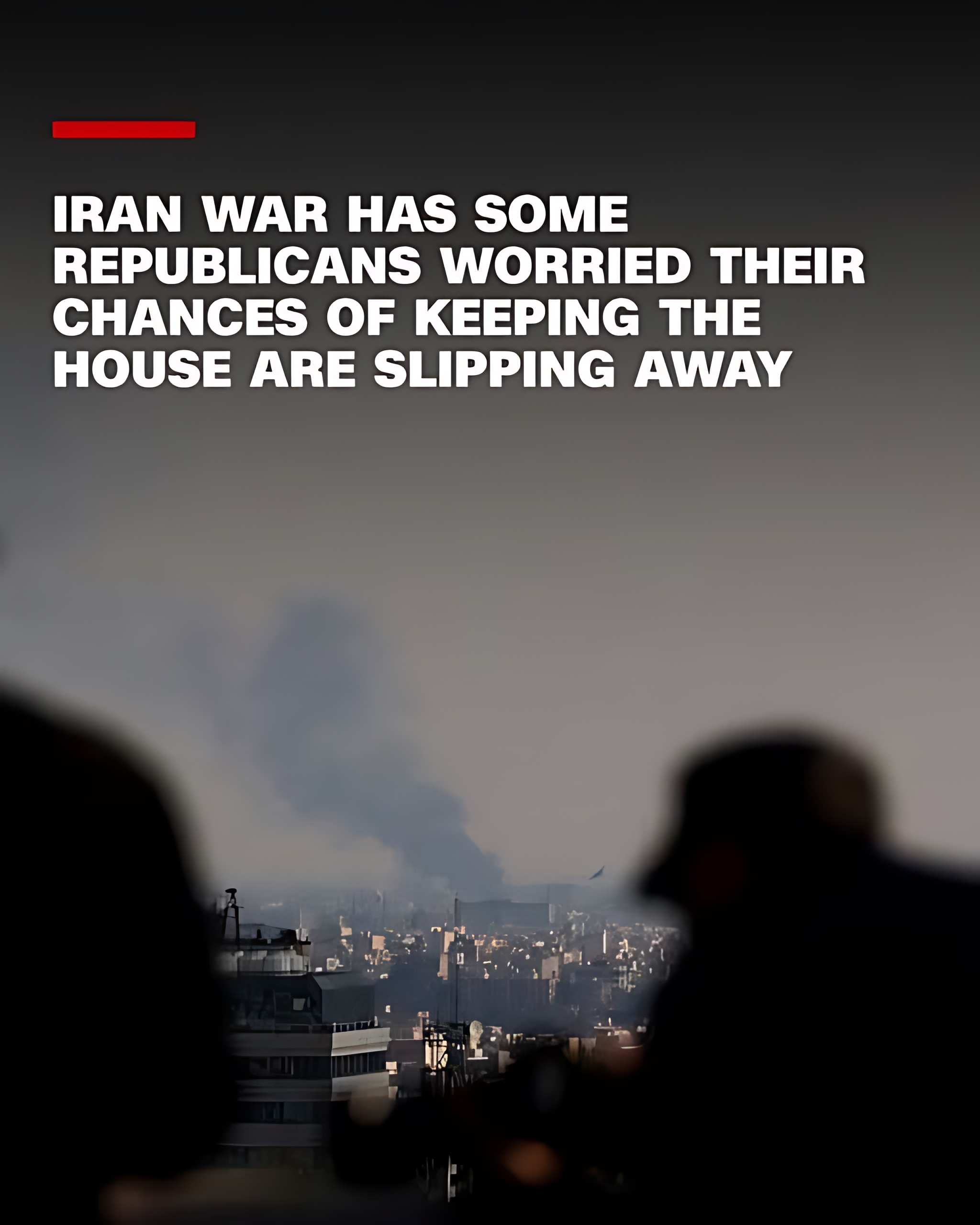
WASHINGTON — As the conflict with Iran intensifies and U.S. forces expand operations across the Middle East, a growing number of Republican strategists and campaign officials are privately warning that the war could jeopardize the party’s chances of holding onto its House majority in 2026.
Interviews with GOP aides, pollsters, and lawmakers reveal mounting anxiety that rising energy prices, voter fatigue with foreign conflicts, and divisions inside the party over the scope of the war are beginning to reshape the political landscape in key battleground districts.
“The map is shifting under our feet,” one senior Republican strategist said. “Voters are nervous about the war, and that uncertainty is bleeding into our numbers.”
Battleground Districts Show Early Warning Signs
Internal polling shared with several House campaigns indicates that suburban and swing‑district voters — particularly independents — are increasingly uneasy about the length and cost of the conflict.
Campaign officials in Pennsylvania, Arizona, and Michigan say they have seen:
- Higher concern about military escalation
- Growing frustration with energy prices
- A drop in enthusiasm among moderate Republicans
- An uptick in Democratic fundraising in competitive districts
While no single factor is driving the shift, strategists say the war is becoming a central issue in districts where voters are sensitive to economic instability.
Republican Lawmakers Divided on Messaging
Some GOP members have strongly backed the administration’s approach, arguing that the U.S. must maintain pressure on Iran to protect global shipping lanes and national security.
Others, however, worry that the party lacks a unified message — especially as constituents question the long‑term goals of the conflict.
“People want clarity,” said one Republican lawmaker from a competitive district. “They want to know what the endgame is.”
Several Republicans have urged leadership to hold more briefings and provide clearer public explanations of the administration’s strategy.
Democrats See an Opening — but Remain Cautious
Democratic strategists say the war has created an opportunity to challenge vulnerable GOP incumbents, particularly in suburban districts where foreign‑policy fatigue is high.
But they also acknowledge that voter sentiment could shift quickly depending on developments overseas, economic conditions, or changes in military strategy.
A senior Democratic campaign official said the party is preparing to “lean into economic messaging” tied to the conflict, while avoiding predictions about how the war will shape the midterms.
Energy Prices Add Political Pressure
Rising fuel costs — driven in part by instability in the Strait of Hormuz — have become a flashpoint in several states. Republican governors and lawmakers have faced questions from constituents about inflation and supply disruptions, even though energy markets are influenced by global factors beyond congressional control.
Economists warn that prolonged conflict could keep prices elevated into 2026, adding another layer of political risk.
A Long Road to November
With months to go before the midterms, GOP leaders insist the party remains well‑positioned. They point to strong fundraising, favorable district maps, and historical advantages for the party in power during wartime.
Still, the uncertainty surrounding the Iran conflict has introduced a new variable into an already volatile political environment.
As one Republican pollster put it, “The war isn’t sinking the House majority — but it’s making the water a lot choppier.”