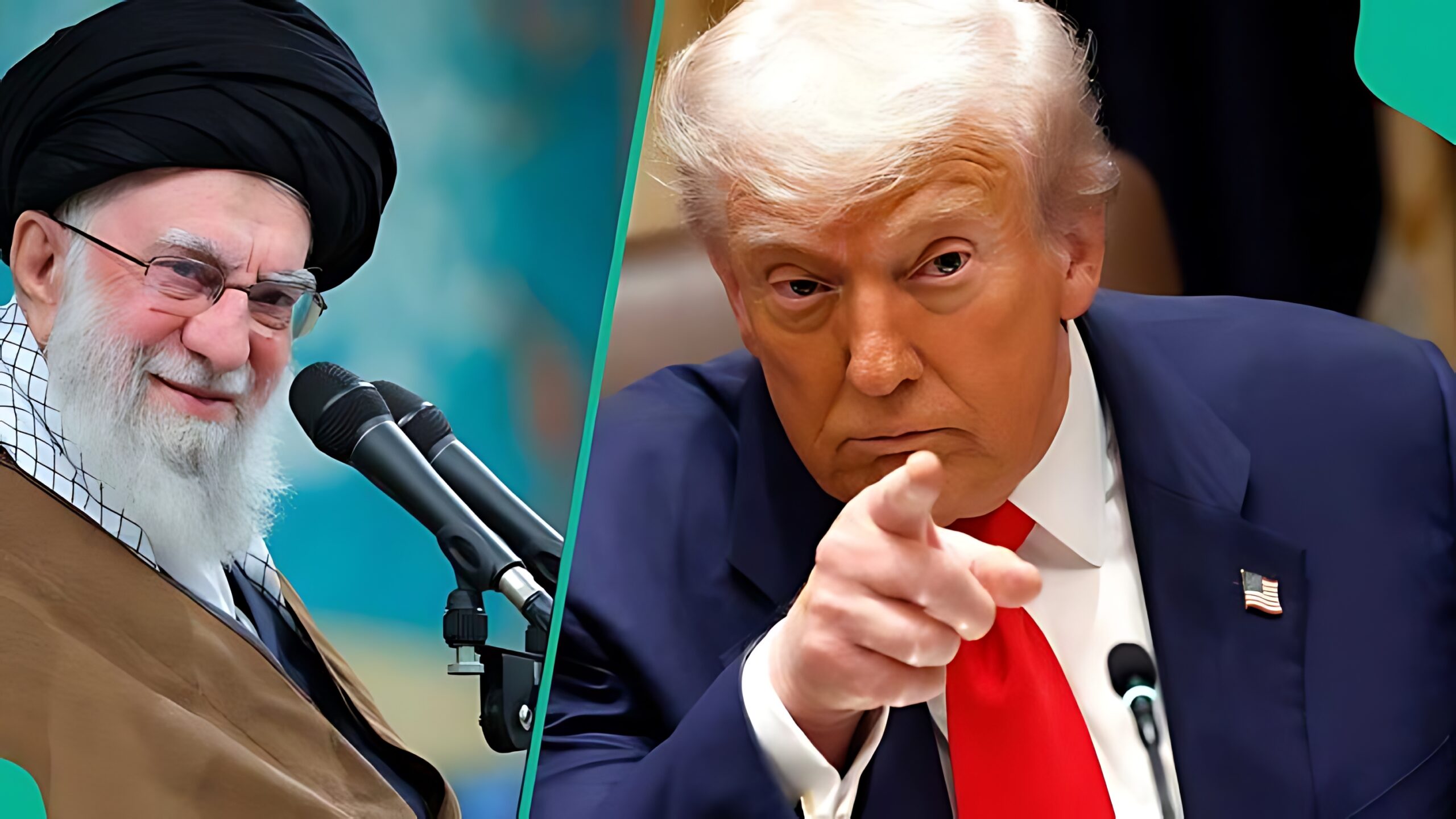
Strategic Move to Prevent Nuclear Armament
President Trump has reaffirmed his vow to never allow Iran to obtain a nuclear weapon. To enforce this, the U.S. Navy is currently executing a blockade of Iranian ports within the strategic Strait of Hormuz
WASHINGTON — President Donald Trump on Thursday reiterated his long‑standing vow that the United States will “never allow Iran to obtain a nuclear weapon,” framing the ongoing naval blockade of Iranian ports as a necessary step to prevent Tehran from advancing its nuclear ambitions.
Speaking from the White House, Trump said the U.S. Navy is “fully engaged” in enforcing a maritime blockade around key Iranian ports in the Strait of Hormuz — one of the world’s most strategically important waterways.
“We are committed to stopping Iran from ever getting a nuclear weapon,” Trump said. “The blockade is in place, and it will remain in place as long as necessary.”
The administration has described the operation as a defensive measure aimed at restricting Iran’s access to weapons components, foreign military support, and revenue from maritime trade.
A Strategic Chokepoint With Global Stakes
The Strait of Hormuz, a narrow passage between the Persian Gulf and the Gulf of Oman, is responsible for a significant share of the world’s oil transit. Any military activity in the region carries global economic implications.
Defense officials say the blockade focuses on:
- Monitoring and intercepting vessels suspected of carrying weapons
- Restricting Iranian port activity linked to military procurement
- Supporting allied naval forces in the region
- Ensuring commercial shipping lanes remain open for non‑Iranian traffic
The Pentagon has not disclosed the number of ships involved but confirmed that multiple carrier strike groups and surveillance aircraft are participating.
Iran Condemns the Blockade
Iranian officials have denounced the U.S. action as an “illegal act of aggression,” warning that the blockade could escalate tensions and disrupt regional stability. Tehran maintains that its nuclear program is for peaceful purposes and has accused Washington of provoking conflict.
Iran’s foreign ministry said the country “will not bow to pressure,” though it did not specify how it might respond.
International Reaction Remains Mixed
U.S. allies in Europe have expressed concern about the risk of escalation but have stopped short of condemning the blockade. Several governments have urged both Washington and Tehran to return to diplomatic channels.
Energy‑importing nations in Asia are closely monitoring the situation, wary of potential disruptions to oil shipments.
Analysts Debate the Long‑Term Strategy
Foreign‑policy experts say the blockade represents one of the most aggressive U.S. actions against Iran in years. Some analysts argue it could pressure Tehran back into negotiations, while others warn it may harden Iran’s stance and increase the likelihood of miscalculation at sea.
A former U.S. naval commander described the operation as “high‑risk but high‑leverage,” noting that the Strait of Hormuz has been the site of multiple close encounters between U.S. and Iranian vessels.
What Comes Next
The White House has not indicated how long the blockade will remain in effect. Trump said only that the mission will continue “until Iran changes course.”
For now, the operation underscores the administration’s reliance on military pressure to counter Iran’s nuclear ambitions — and highlights the growing geopolitical tension surrounding one of the world’s most critical maritime corridors.