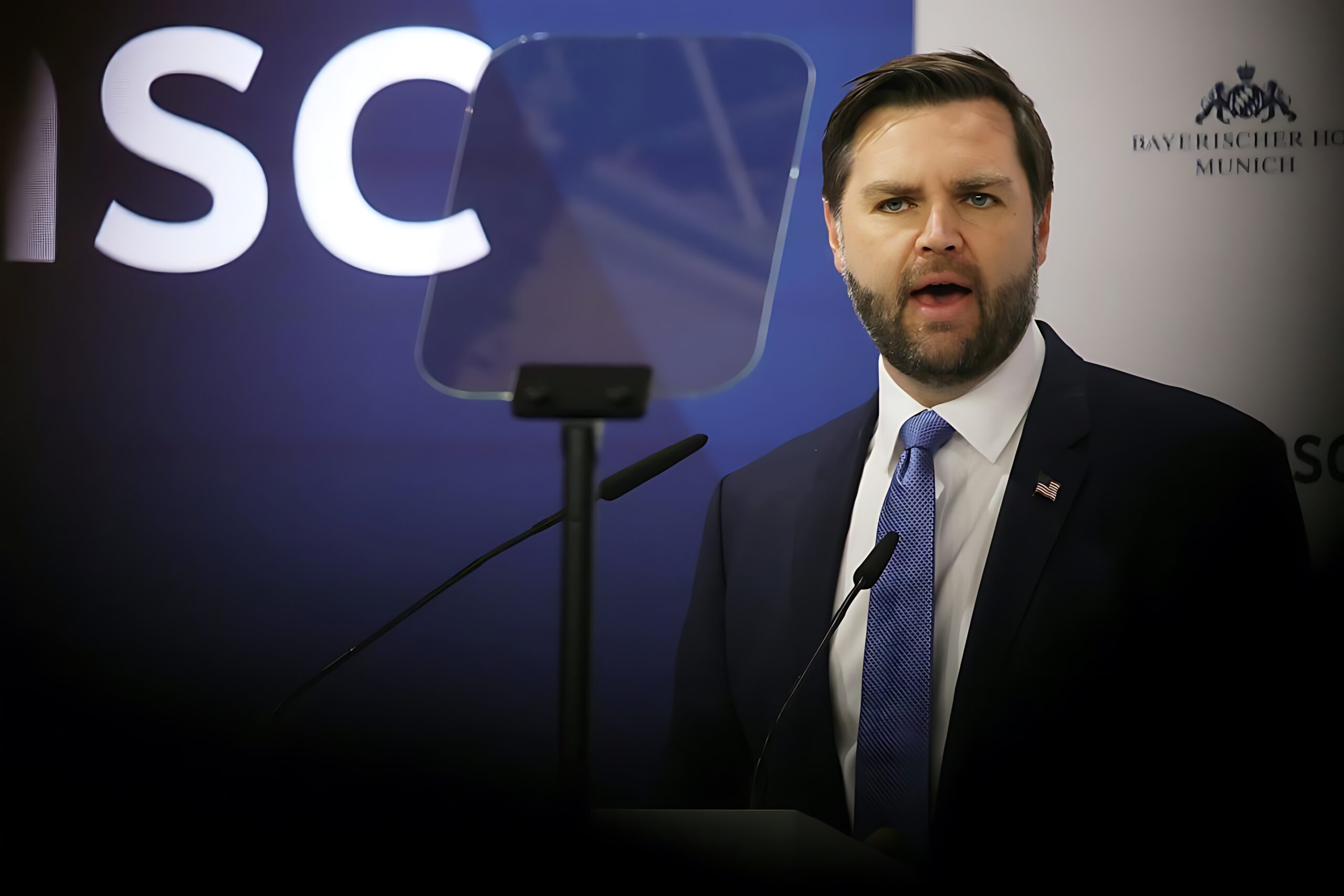
WASHINGTON — Vice President JD Vance on Friday hailed the extension of the Israel–Lebanon ceasefire as a “historic moment,” crediting President Donald Trump’s direct engagement for securing what officials describe as the most durable pause in hostilities since the conflict began.
Speaking at the White House, Vance said the president’s personal diplomacy was decisive in persuading both sides to continue the truce, which was set to expire at midnight.
“Of course it wouldn’t have happened without the President’s direct engagement,” Vance told reporters. “He made the calls, he pushed the mediators, and he made sure the ceasefire held.”
A Fragile Peace Extended
The ceasefire, originally brokered two weeks ago with U.S., French, and Qatari mediation, halted cross‑border rocket fire and airstrikes that had displaced thousands of civilians. Officials confirmed that the extension will last another ten days, with both sides agreeing to maintain communication channels and avoid provocative military maneuvers.
U.S. diplomats said the renewed truce was finalized after overnight talks involving Israeli and Lebanese representatives, with indirect input from Hezbollah through regional intermediaries.
Vance’s Role in the Negotiations
Vice President Vance has been deeply involved in the administration’s Middle East diplomacy, coordinating with Pakistani and European envoys and overseeing humanitarian logistics. He described the ceasefire extension as “proof that persistence and pressure can coexist,” adding that the administration’s goal remains a permanent end to hostilities.
“We’re not declaring victory,” Vance said. “We’re declaring progress — and progress matters.”
Regional and International Reaction
European governments welcomed the announcement, urging both sides to use the extended pause to pursue a longer‑term settlement. The United Nations said it would increase monitoring along the Blue Line to prevent accidental clashes.
Energy markets reacted positively, with oil prices dipping slightly amid expectations of reduced regional risk.
Analysts: A Diplomatic Win, But Temporary
Foreign‑policy analysts say the extension represents a symbolic victory for the Trump administration but caution that the underlying disputes — including border demarcation and Hezbollah’s armament — remain unresolved.
“It’s a diplomatic success, but it’s not yet a peace,” said one Middle East analyst. “The administration bought time, and now it has to use it wisely.”
What Comes Next
U.S. officials say the next 72 hours will be critical in determining whether the ceasefire holds. If successful, the administration hopes to expand the truce into a broader framework for regional de‑escalation.
For now, Vance’s remarks underscore the White House’s message: that direct presidential involvement remains central to America’s efforts to stabilize one of the Middle East’s most volatile flashpoints.