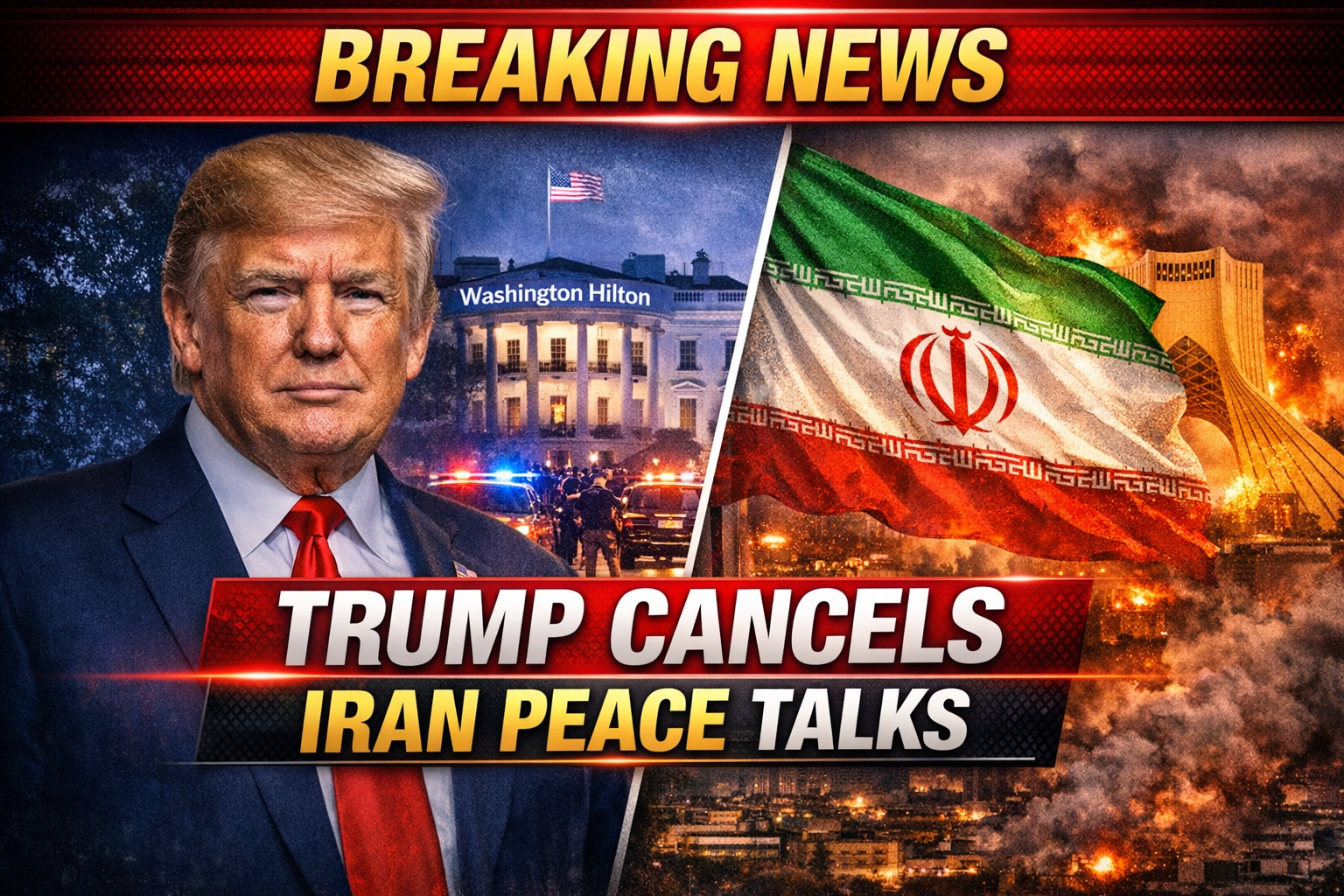
WASHINGTON — President Donald Trump abruptly called off a second round of peace talks with Iran on Saturday, just hours before a U.S. delegation was scheduled to depart for Islamabad, Pakistan, where negotiations were set to resume.
White House officials confirmed the decision late Saturday afternoon, citing “unacceptable preconditions” raised by Tehran and “security concerns” surrounding the talks. The move effectively halts what had been described as a fragile diplomatic effort aimed at extending the ceasefire and establishing a framework for long-term regional stability.
“The President will not send American officials into negotiations that compromise U.S. interests or safety,” a senior administration official said. “Iran’s latest demands were inconsistent with the progress made so far.”
🇮🇷 Background: Fragile Progress and Rising Tensions
The talks, brokered through Pakistani and Qatari intermediaries, were intended to build on earlier discussions that led to a temporary suspension of hostilities. The U.S. delegation—led by Vice President JD Vance and senior adviser Jared Kushner—had been preparing to travel to Islamabad for what was expected to be a two‑day round of indirect negotiations.
Iranian state media reported that Tehran’s leadership remained divided over the terms of any potential agreement, particularly regarding sanctions relief and maritime security in the Strait of Hormuz.
🏛️ Reaction From Washington and Abroad
Lawmakers from both parties expressed mixed reactions. Supporters of the administration said the cancellation underscored Trump’s commitment to “strength from leverage,” while critics warned that halting talks could risk renewed escalation.
In Islamabad, Pakistani officials expressed disappointment but said they remained ready to facilitate future dialogue. “We believe diplomacy must continue,” a foreign ministry spokesperson said.
European diplomats urged both sides to “keep channels open,” noting that the ceasefire extension earlier this month had reduced regional tensions and stabilized oil markets.
🔍 What Comes Next
The White House said it would “reassess the conditions for engagement” and maintain communication through intermediaries. Analysts expect Washington to increase pressure on Tehran through economic and diplomatic means while keeping military options “on standby.”
For now, the cancellation marks another setback in a months‑long effort to end hostilities and establish a durable peace framework between the two nations.