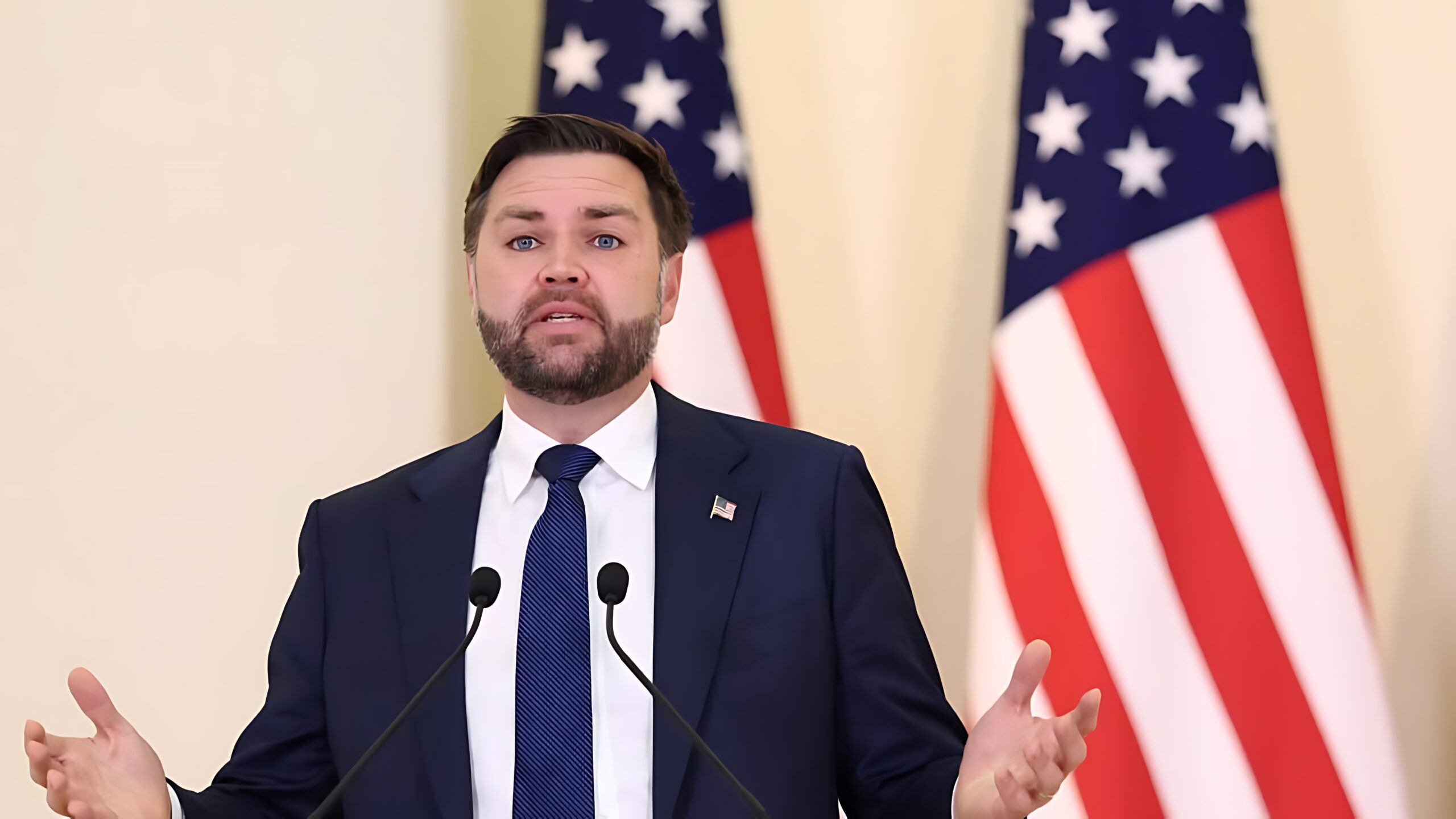
Vice President JD Vance said late Tuesday that a new round of marathon negotiations with Iranian officials failed to produce an agreement to permanently end the ongoing war, underscoring the deep challenges facing diplomatic efforts in the region.
Speaking to reporters after returning to Washington, Vance described the discussions as “intense and exhaustive,” but acknowledged that the two sides remained divided on several core issues. He did not specify which points were unresolved but said the U.S. delegation pressed for “verifiable commitments” that would ensure long-term stability.
“We made clear what the United States expects in any lasting agreement,” Vance said. “While progress was made in some areas, we were not able to reach a final understanding that would permanently end the conflict.”
The talks, which stretched over multiple days, were part of a broader international push to halt the fighting and prevent further regional escalation. Diplomats familiar with the negotiations said both sides expressed interest in continued dialogue, though significant gaps remain.
Iranian officials issued their own statement characterizing the discussions as “constructive” but said any permanent agreement must address what they described as security concerns and foreign interference in the region.
Foreign policy analysts noted that the failure to secure a breakthrough does not necessarily signal the end of diplomatic efforts. Historically, negotiations of this scale often require multiple rounds before any durable framework emerges.
The White House said the administration remains committed to pursuing a diplomatic path and will continue coordinating with allies and regional partners. No date has been announced for the next round of talks.
As the conflict continues, humanitarian organizations have urged all parties to accelerate efforts toward a cease-fire, warning that conditions on the ground are deteriorating and civilian populations remain at high risk.