As gas prices climb past the four‑dollar mark in much of the United States, Democratic strategists are increasingly treating the pain at the pump as a political opening. Their argument is straightforward: rising fuel costs are hitting household budgets hard, and voters are looking for someone to hold accountable. But the strategy comes with a complication — the very forces driving prices upward are tied to global instability, not domestic policy, and that makes the political terrain far less predictable.
A Surge Driven by Conflict, Not Policy
Recent spikes in gas prices have been closely linked to the ongoing conflict with Iran, which has disrupted global oil markets and pushed crude prices sharply higher. Reports note that the closure of the Strait of Hormuz — a critical shipping lane for global oil — has kept prices elevated even as markets fluctuate in response to shifting U.S. military actions.
Democrats have seized on this moment to argue that Republican leadership, including President Donald Trump, has contributed to economic instability. Digital ads from the Democratic Congressional Campaign Committee have targeted swing districts with messages tying high gas prices directly to GOP decisions, especially the administration’s handling of the Iran conflict.
The Economic Toll on Voters
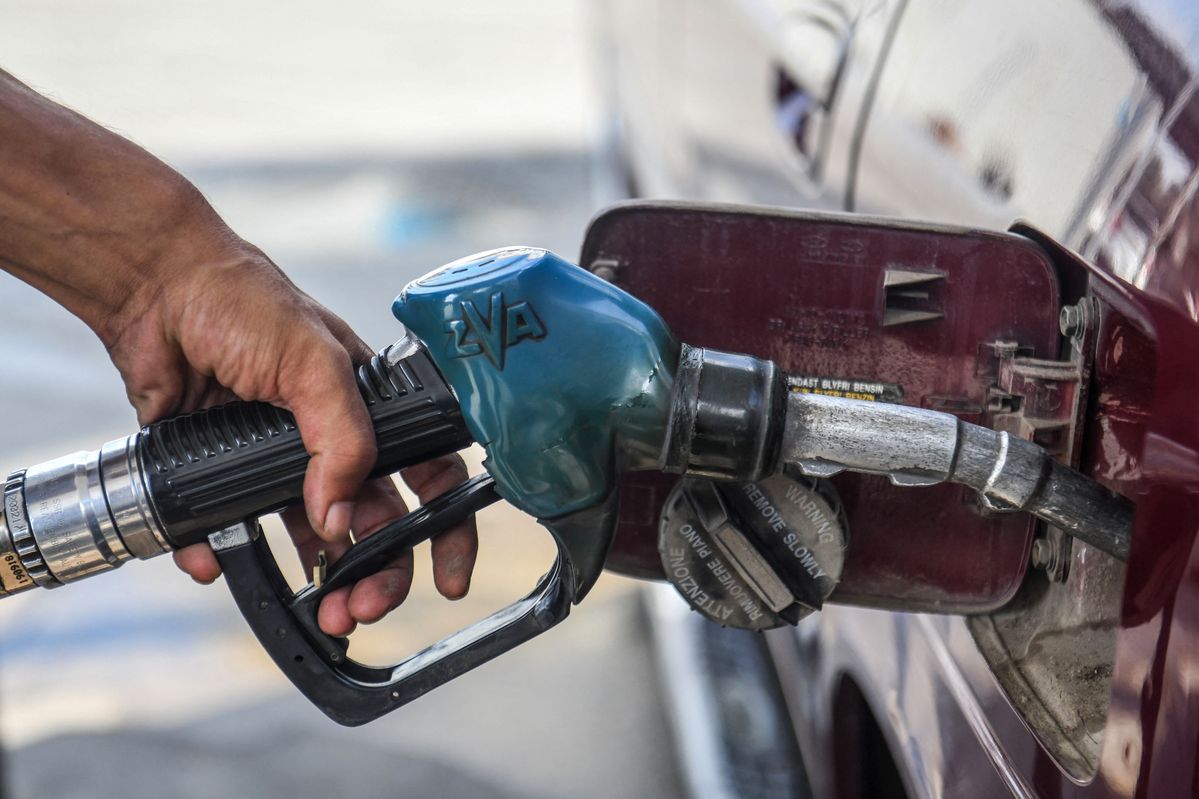
The financial impact is real. According to estimates cited by Democratic lawmakers, U.S. drivers have collectively spent billions more on fuel since the conflict began. Average prices recently topped $4.08 per gallon, with some states seeing far higher spikes. For drivers of popular vehicles — from Toyota RAV4s to Ford F‑150s — filling up now costs between 30% and 35% more than before the conflict.
These increases are hitting swing‑state voters especially hard. In battleground regions like Pennsylvania, Georgia, and Ohio, prices have risen more than a dollar per gallon compared to the previous year. For many working‑class voters, the weekly cost of commuting has become a tangible reminder of broader economic uncertainty.
Why Democrats See an Opening
Democrats are framing the issue around affordability — a theme that has resonated strongly in recent election cycles. Their messaging suggests that Republican policies, including tariffs, health‑care decisions, and foreign‑policy choices, have collectively made life more expensive. Some Democratic leaders have amplified this narrative on social media, arguing that the GOP has failed to deliver on promises of economic stability.
With control of Congress potentially hinging on just a handful of seats, party strategists believe gas prices could become a powerful symbol of economic mismanagement.
The Catch: Voters Don’t Always Blame Who You Expect
Despite the political opportunity, Democrats face a significant challenge: voters often attribute gas prices to global events rather than domestic leadership. While frustration at the pump is widespread, it does not always translate into clear partisan blame.
Moreover, the Trump administration has argued that the price surge is temporary and tied directly to the Iran conflict — a situation they say will resolve once military operations conclude. Officials have emphasized their commitment to “energy dominance” and predicted that prices will fall once the conflict stabilizes.
This creates a volatile political environment. If prices drop before the election, Democrats risk losing a key talking point. If they remain high, Republicans may still succeed in shifting blame to international turmoil rather than domestic policy.
A High‑Stakes Messaging Battle
Gas prices have long been one of the most visible indicators of economic health for everyday Americans. As the 2026 midterms approach, both parties are betting that voters will see the numbers on the pump through their preferred political lens.
For Democrats, the challenge is turning economic frustration into political momentum without overplaying a hand that depends heavily on unpredictable global events. For Republicans, the task is convincing voters that the surge is temporary — and not the result of policy missteps.