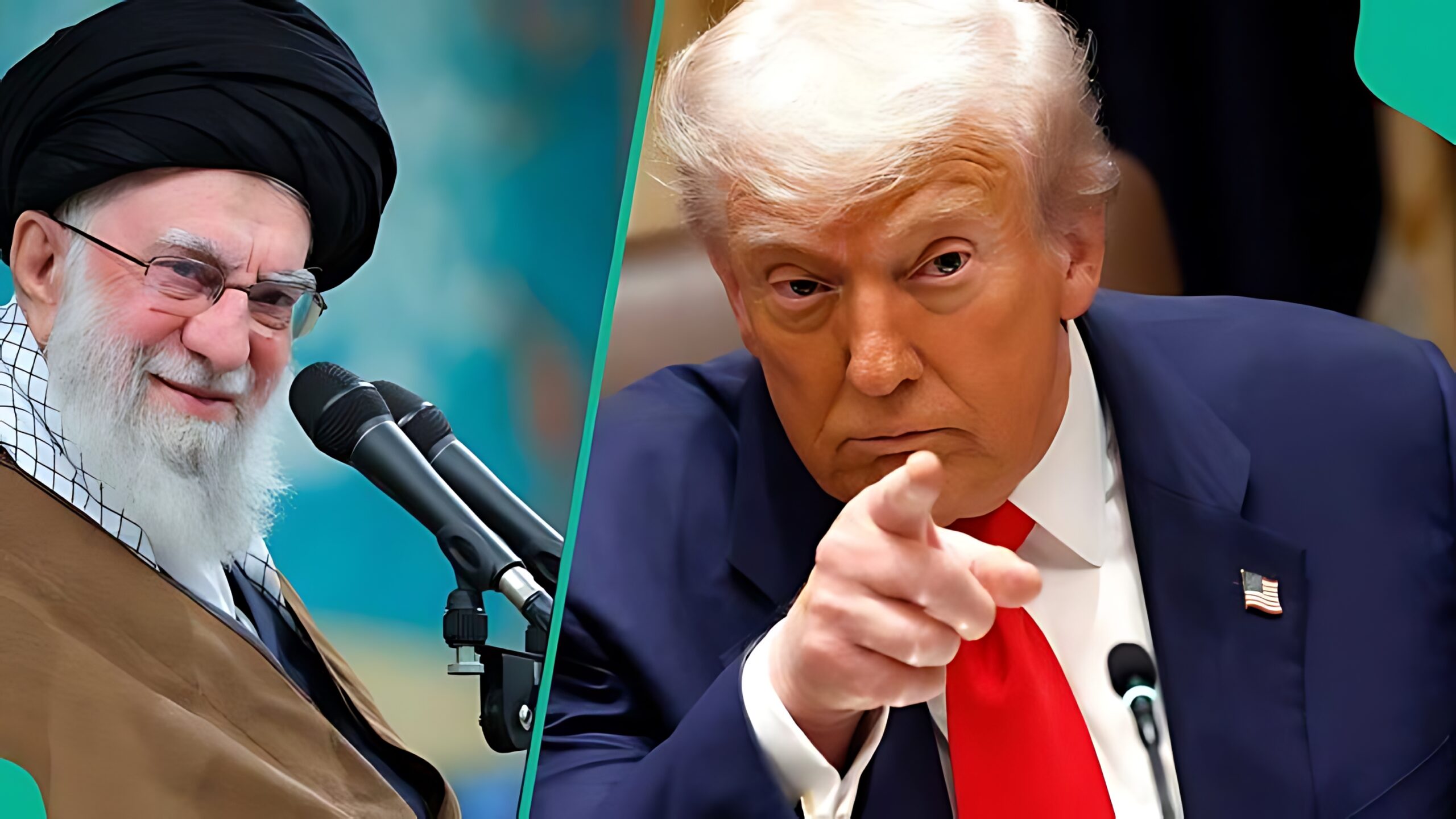
Washington, D.C. — The United States is preparing to impose a naval blockade on all ships entering or leaving Iranian ports beginning April 13 at 10:00 a.m. ET, according to a statement attributed to President Donald J. Trump. The announcement marks one of the most consequential escalations in U.S.–Iran relations in recent years and has already triggered urgent responses from foreign governments, shipping companies, and global energy markets.
A Major Shift in U.S. Strategy
A blockade — considered an act of war under international law if enforced militarily — would represent a dramatic expansion of U.S. pressure on Iran. While previous administrations have relied heavily on sanctions, diplomatic isolation, and targeted strikes, a full maritime blockade would directly restrict Iran’s ability to export oil, import goods, and maintain commercial ties with much of the world.
Defense officials have not yet released operational details, but analysts note that enforcing such a blockade would require significant naval assets in the Persian Gulf, the Gulf of Oman, and potentially the Strait of Hormuz, one of the world’s most critical energy chokepoints.
International Reaction and Diplomatic Fallout
Governments across Europe and the Middle East have reportedly sought clarification from Washington. Several U.S. allies have expressed concern that a blockade could destabilize global shipping lanes and increase the risk of direct confrontation between U.S. and Iranian forces.
Maritime insurers and shipping companies are also bracing for disruption. Even the threat of a blockade can lead to rerouted vessels, higher insurance premiums, and delays in global supply chains.
Economic Stakes: Oil Markets on Edge
Oil prices surged in early trading following the announcement, reflecting fears that any conflict in or near the Strait of Hormuz could restrict the flow of crude from multiple Gulf states. Energy economists warn that even a temporary disruption could have ripple effects on fuel prices worldwide, including in the United States.
Some lawmakers have already raised concerns about the potential impact on American consumers, noting that previous periods of heightened U.S.–Iran tensions have coincided with spikes in gasoline prices.
Iran’s Response
Iranian officials have historically described any attempt to block their ports or restrict access to the Strait of Hormuz as a “red line.” While Tehran has not yet issued a full statement on the latest announcement, past responses to similar threats have included warnings of retaliation and vows to keep regional waterways open to Iranian commerce.
What Comes Next
The coming days are expected to bring intense diplomatic activity as governments seek to determine whether the blockade will be implemented as stated, whether negotiations are underway behind the scenes, and how Iran may respond.
Military analysts caution that even a limited enforcement effort could lead to miscalculations at sea, where U.S. and Iranian vessels have had tense encounters in the past.
For now, the world is watching closely as the deadline approaches — and as the United States signals a willingness to take one of the most aggressive steps available in its long‑running standoff with Iran.