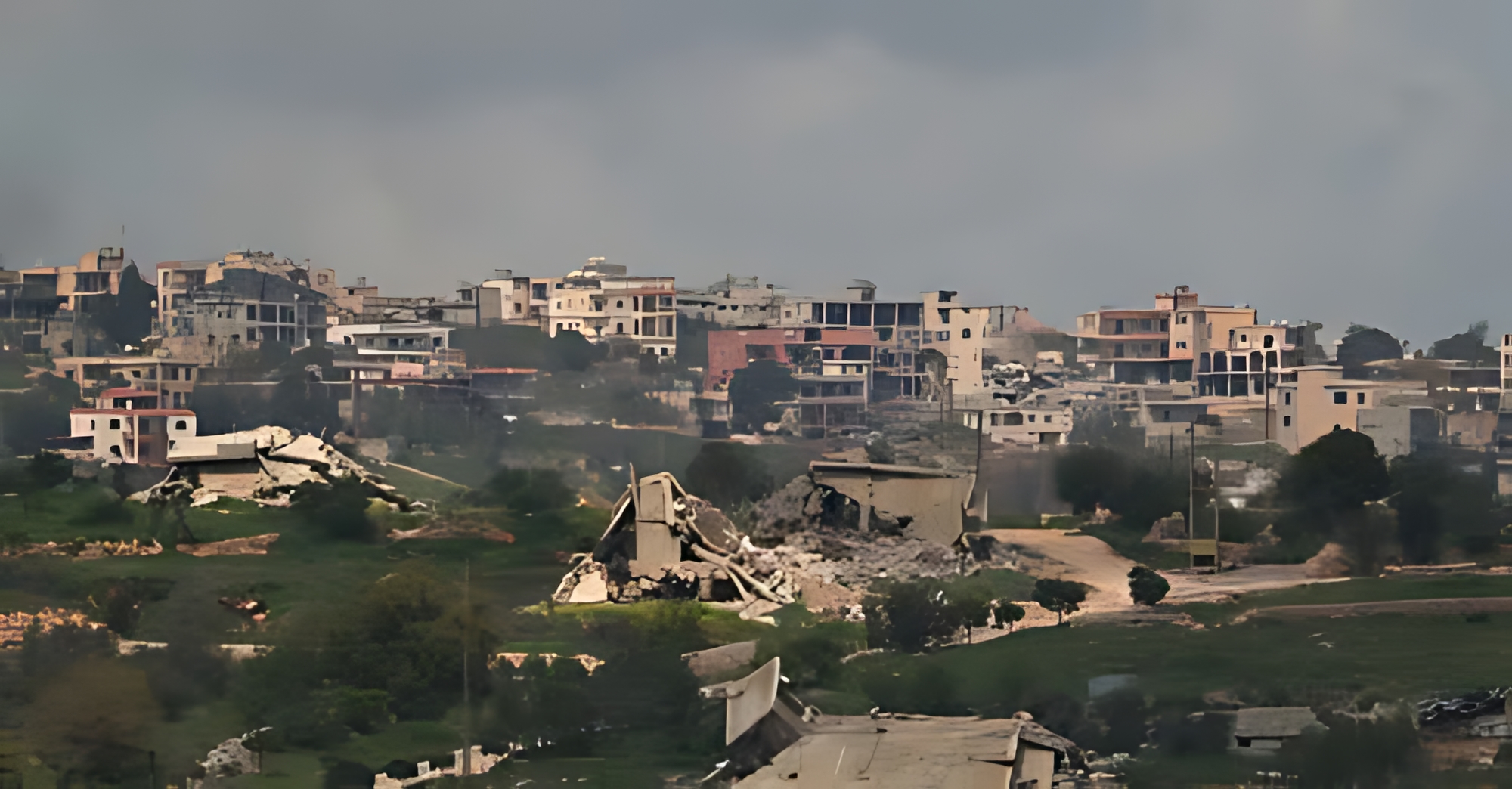
WASHINGTON — President Donald Trump said Thursday that Israeli and Lebanese leaders are preparing to speak directly as part of an intensified U.S. effort to extend the fragile ceasefire along the Israel‑Lebanon border, where recent clashes have raised fears of a broader regional conflict.
Trump, speaking to reporters before a meeting with national‑security advisers, said the United States has been “working nonstop” to prevent renewed fighting between Israel and Hezbollah, and that both governments have agreed to open a new channel of communication.
“They’re going to talk — Israel and Lebanon. They’re going to talk soon,” Trump said. “We’re pushing very hard to keep this ceasefire going, and I think we’re making real progress.”
The White House did not provide a timeline for the expected conversation, and officials in Jerusalem and Beirut have not publicly confirmed the planned exchange.
A Ceasefire Under Strain
The ceasefire, brokered with U.S. and European involvement, has held for several weeks but remains fragile. Sporadic exchanges of fire and competing political pressures in both countries have raised concerns that the truce could collapse without sustained diplomatic engagement.
U.S. officials say the goal is to prevent escalation while creating space for longer‑term negotiations on border security and militia activity in southern Lebanon.
Regional Diplomacy Intensifies
According to senior administration officials, the U.S. has been coordinating with France, Egypt, and Qatar to maintain pressure on all parties to avoid renewed hostilities. The administration views direct communication between Israeli and Lebanese leadership — even if limited — as a significant step toward stabilizing the situation.
A State Department official said the U.S. is “encouraging every possible channel” that could reduce the risk of miscalculation.
Lebanon’s Political Landscape Adds Complexity
Lebanon’s government, constrained by internal divisions and economic crisis, has limited influence over Hezbollah, the powerful Iran‑backed militia that dominates southern Lebanon. Analysts note that any talks between Israeli and Lebanese leaders would likely focus on de‑escalation mechanisms rather than broader political agreements.
“This is about preventing a slide into war, not resolving decades of disputes,” said one Middle East analyst.
Israel Signals Cautious Openness
Israeli officials have privately indicated they are willing to engage in limited discussions focused on maintaining the ceasefire, though they remain skeptical of Hezbollah’s intentions.
The Israeli government has emphasized that it reserves the right to respond to any attacks, even as it participates in diplomatic efforts.
What Comes Next
Trump said the U.S. will continue to push for “direct and indirect talks” in the coming days, adding that extending the ceasefire is a top priority for his national‑security team.
For now, the administration hopes that even a brief conversation between Israeli and Lebanese leaders could help stabilize one of the region’s most volatile frontiers — and buy time for broader diplomatic efforts to take shape.