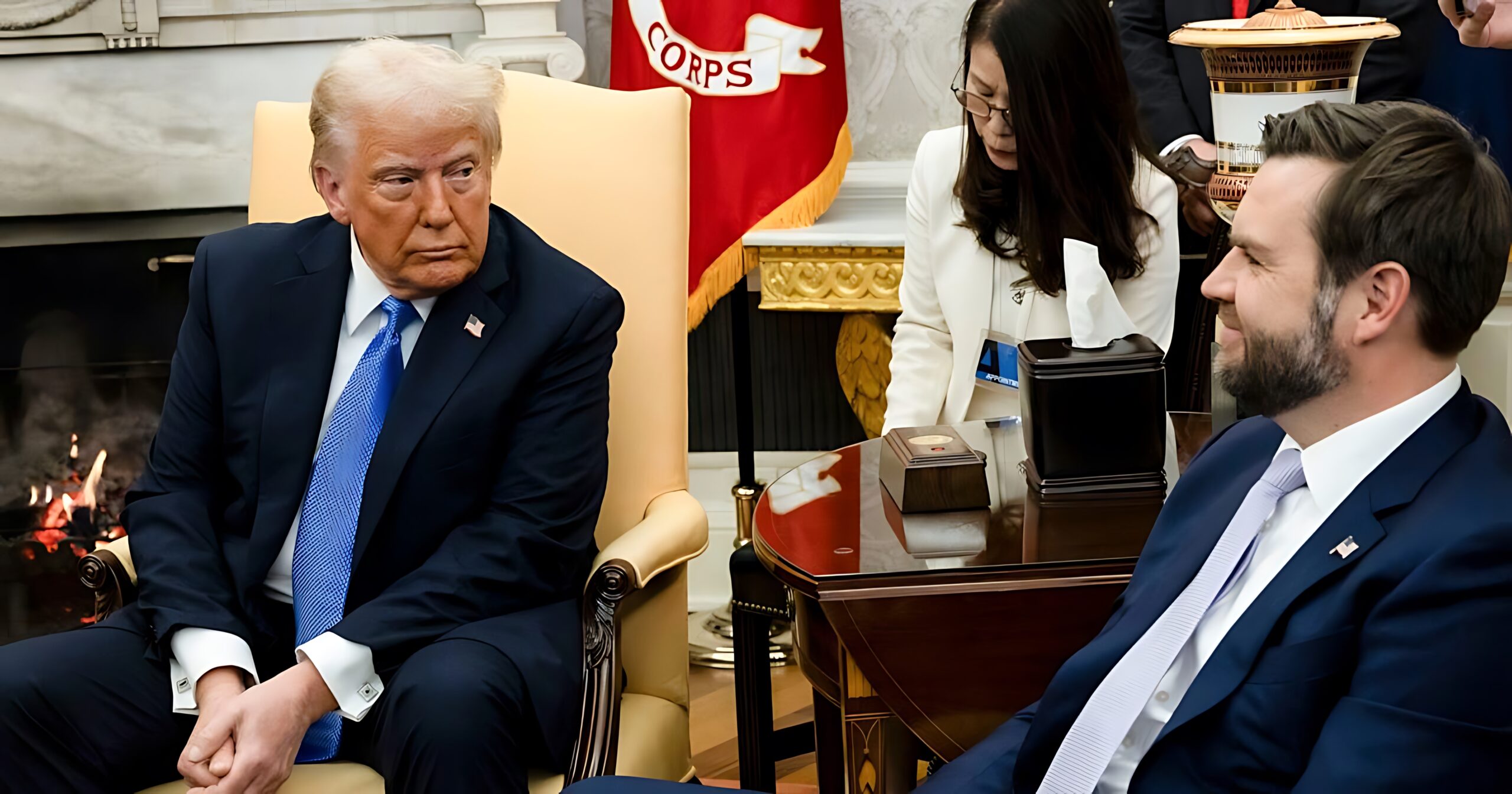
WASHINGTON — Vice President JD Vance has emerged as the central figure in the Trump administration’s high‑stakes effort to negotiate an end to the Iran war, a role that has placed him under intense scrutiny from both the White House and political observers. As Vance shuttles between Washington and Islamabad for marathon talks, President Donald Trump has been privately asking advisers, friends, and political allies how they think his vice president is performing in the spotlight.
According to individuals familiar with the conversations, Trump has repeatedly inquired how Vance compares to Secretary of State Marco Rubio — a potential 2028 rival — and has sought informal “performance reviews” from those in his inner circle.
A High‑Pressure Assignment With No Breakthrough Yet
Vance’s role intensified after a weekend of 21‑hour negotiations in Islamabad failed to produce a peace agreement. The talks — the highest‑level U.S.–Iran engagement since 1979 — ended with Iran refusing to provide assurances that it would not seek or develop a nuclear weapon.
“They have chosen not to accept our terms,” Vance said after the session, emphasizing that the U.S. needed “an affirmative commitment” from Iran on nuclear restrictions.
Despite the lack of progress, Trump has publicly signaled confidence in his vice president, even as he monitors the situation closely. According to CNN reporting, Trump joked that if a deal fails, he will “blame JD Vance,” but if it succeeds, he will “take full credit.”
Inside the White House: Support Mixed With Pressure
White House officials insist Vance remains the right person to lead the negotiations. Communications director Steven Cheung praised Vance’s “ability to take on some of the biggest challenges head‑on,” calling him an “invaluable member” of the administration.
But the political stakes are high. Vance, once a skeptic of the Iran war, is now defending a conflict he previously questioned — a shift that has drawn attention from both supporters and critics. He has also faced hecklers at public events, acknowledging at one point that the war is unpopular.
Republican Strategists Split on Vance’s Performance
Some GOP strategists argue that Vance’s prominent role gives him valuable international exposure and strengthens his standing within the party. One strategist said Vance is “doing what President Trump wants him to do,” adding that the talks gave him “gravitas” on the world stage.
Others, however, have been more critical. Republican strategist Rick Tyler compared Vance’s efforts unfavorably to past diplomatic summits, calling the 21‑hour session “drive‑by diplomacy that produced no agreement.”