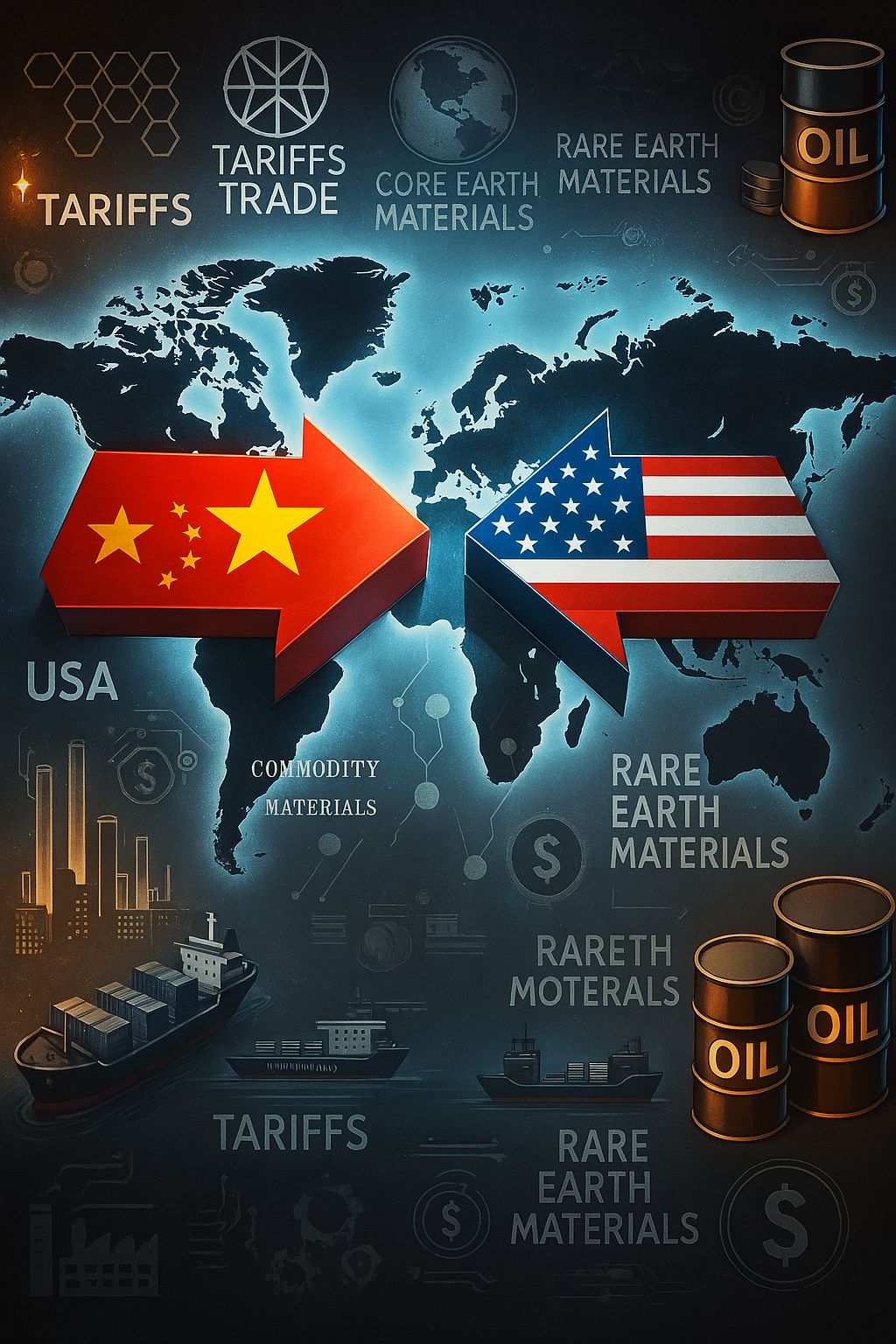
WASHINGTON — The Trump administration on Friday announced a major escalation in its economic campaign against Iran, unveiling sanctions aimed at Chinese refineries, shipping firms, and vessels accused of helping Tehran evade restrictions on oil exports.
The Treasury Department’s Office of Foreign Assets Control (OFAC) sanctioned Hengli Petrochemical (Dalian) Refinery Co., one of China’s largest independent “teapot” refineries, along with about 40 shipping companies and tankers tied to Iran’s clandestine petroleum network. Officials said the move is part of the administration’s “Economic Fury” initiative — a coordinated effort to choke off Iran’s revenue streams and curb its regional aggression.
“Economic Fury is imposing a financial stranglehold on the Iranian regime, hampering its aggression in the Middle East, and helping to curtail its nuclear ambitions,” Treasury Secretary Scott Bessent said.
How the Sanctions Work
The sanctions freeze any U.S.‑linked assets belonging to the targeted entities and bar American companies or citizens from doing business with them. They also threaten secondary sanctions against foreign banks and firms that facilitate Iranian oil transactions.
Officials said Hengli Petrochemical has purchased billions of dollars’ worth of Iranian crude since 2023, generating hundreds of millions in revenue for Iran’s armed forces. The refinery reportedly received shipments from vessels operating under false flags or obscured ownership — the so‑called “shadow fleet” that moves Iranian oil through intermediaries in Malaysia and the Gulf of Oman.
Strategic Timing and Diplomatic Context
The crackdown comes weeks before President Trump’s planned visit to Beijing, where he is expected to meet Chinese President Xi Jinping. Analysts say the sanctions serve both as leverage in upcoming trade talks and as a warning that Washington will not tolerate Chinese entities undermining U.S. pressure on Iran.
China remains Iran’s largest oil customer, importing up to 90 percent of Tehran’s crude exports before the war began in February. The new measures aim to sever that link and further isolate Iran as ceasefire negotiations continue in Pakistan and Qatar.
China’s Response and Global Impact
Beijing condemned the sanctions, accusing Washington of “politicizing trade and abusing economic tools.” Chinese officials said the move could strain bilateral relations and disrupt global energy markets.
Oil traders reported short‑term volatility, with Brent crude prices rising slightly amid fears of tighter supply from the Gulf. Analysts expect the sanctions to pressure smaller Asian refiners that rely on discounted Iranian oil.
Broader Implications
The administration’s campaign underscores its intent to extend maximum pressure beyond Iran’s borders, targeting the international network that enables Tehran’s oil sales. Since February 2025, OFAC has sanctioned over 1,000 Iran‑related entities, vessels, and aircraft.
For now, the latest action signals that Washington is prepared to confront not only Iran’s regime but also its foreign enablers — a message aimed squarely at Beijing as the U.S. seeks to maintain dominance over global energy and security policy.