TEHRAN — Iranian officials said Saturday that no direct negotiations are planned with the United States, even as senior American envoys Steve Witkoff and Jared Kushner prepare to arrive in Pakistan for a new round of regional diplomacy aimed at stabilizing tensions following weeks of conflict.
Foreign Ministry spokesperson Nasser Kanaani told state media that Iran “has not scheduled any direct meetings” with U.S. representatives and will continue to communicate through Pakistani and Qatari intermediaries. The statement came amid speculation that Washington and Tehran might hold face‑to‑face discussions for the first time since the ceasefire talks began earlier this month.
“Iran’s position remains unchanged — dialogue must respect our sovereignty and regional interests,” Kanaani said. “We will not engage in direct talks under pressure.”
U.S. Delegation Heads to Islamabad
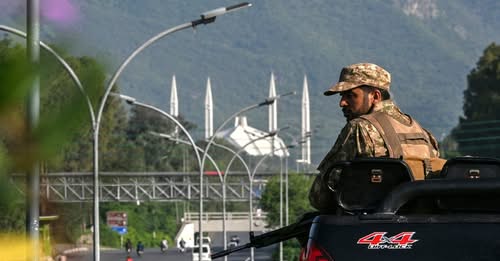
According to diplomatic sources, Witkoff and Kushner are expected to arrive in Islamabad within 48 hours to meet Pakistani Prime Minister Shehbaz Sharif and Foreign Minister Ishaq Dar, who have been mediating between Washington and Tehran.
The visit follows a week of shuttle diplomacy in which Pakistani officials relayed proposals between the two sides, including potential frameworks for extending the regional ceasefire and reopening maritime trade routes in the Strait of Hormuz.
A senior U.S. official described the mission as “focused on maintaining momentum and preventing escalation,” adding that the delegation will also discuss humanitarian corridors and energy security with Gulf partners.
Iran’s Calculated Distance
Analysts say Iran’s refusal to hold direct talks reflects internal divisions within its leadership. While some factions favor engagement to ease economic pressure, others argue that direct negotiations would signal weakness.
“Iran wants to appear open to diplomacy but not dependent on Washington,” said one Middle East analyst in Dubai. “By keeping Pakistan as the intermediary, Tehran maintains leverage and avoids domestic backlash.”
Iranian state television emphasized that any progress would depend on the U.S. lifting certain financial restrictions and halting what Tehran calls “economic warfare.”
Regional Stakes
Pakistan’s role as mediator has drawn praise from both Washington and Tehran, though officials acknowledge that progress remains fragile. The talks coincide with rising tensions in the Gulf, where U.S. naval forces remain on alert and Iranian patrols continue near key shipping lanes.
Observers say the outcome of the Islamabad meetings could determine whether the ceasefire — now in its third week — is extended or collapses.