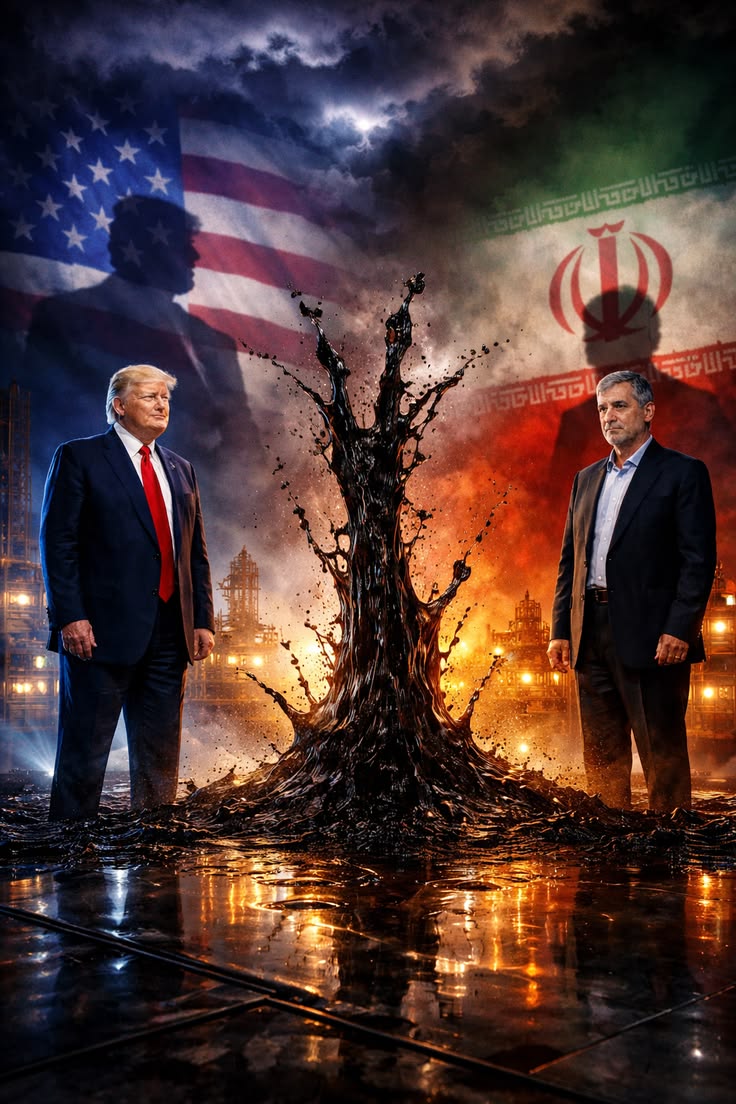
WASHINGTON — President Donald Trump said Tuesday that the United States and Iran are now engaged in active negotiations aimed at ending the ongoing conflict, but he repeated his warning that the U.S. is prepared to strike Iranian bridges and power infrastructure if Tehran does not agree to reopen the global oil trade through the Strait of Hormuz by 8 p.m. Tuesday.
Speaking from the White House, Trump said the talks were “moving, but not fast enough,” and insisted that Iran’s leadership was feeling pressure both internationally and domestically.
“The Iranian people want this war over,” Trump said. “They supported the U.S. and Israeli bombing because they want stability, not the chaos their government created.”
Negotiations Underway Amid Rising Tensions
Senior administration officials confirmed that indirect talks were taking place through European and Gulf intermediaries. The discussions reportedly focus on reopening the Strait of Hormuz, establishing a temporary cease-fire, and creating a framework for broader de‑escalation.
The White House said Iran has been given a firm deadline to comply with reopening the strait, which handles nearly one‑fifth of the world’s oil shipments. Iranian naval forces have restricted tanker movement for more than a week, causing global energy prices to spike and prompting warnings from major oil‑importing nations.
Trump’s Renewed Threat
Trump reiterated that the U.S. military is prepared to launch targeted strikes on Iranian infrastructure if Tehran refuses to lift the blockade.
“If they don’t open it by 8 p.m., we will bomb the hell out of their bridges, their power plants — everything,” Trump said. “We don’t want to do it, but we will.”
Pentagon officials did not comment on operational specifics but confirmed that U.S. forces in the region remain on heightened alert, with additional naval and air assets positioned near the Persian Gulf.
Iran’s Response
Iranian state media dismissed Trump’s remarks as “psychological warfare,” though analysts noted that Tehran has shown signs of internal division over how to respond. Some Iranian officials have hinted at willingness to negotiate, while others have vowed to resist foreign pressure.
Independent verification of public sentiment inside Iran remains limited due to government censorship, but U.S. officials claim that economic strain and recent military losses have increased domestic pressure on Tehran.
International Reaction
Global leaders reacted swiftly to Trump’s comments:
- European Union diplomats urged both sides to avoid escalation and continue negotiations.
- Israel publicly supported the U.S. position, calling Iran’s blockade “an act of economic aggression.”
- Oil‑producing Gulf states expressed concern about regional instability but backed efforts to reopen the strait.
Energy markets fluctuated sharply throughout the day as investors weighed the possibility of military action.
What Happens Next
With the deadline approaching, the White House said it remains hopeful that Iran will agree to a deal but emphasized that the U.S. is prepared for “decisive action” if talks fail.
As of Tuesday evening, Iran had not issued a formal response to the ultimatum.