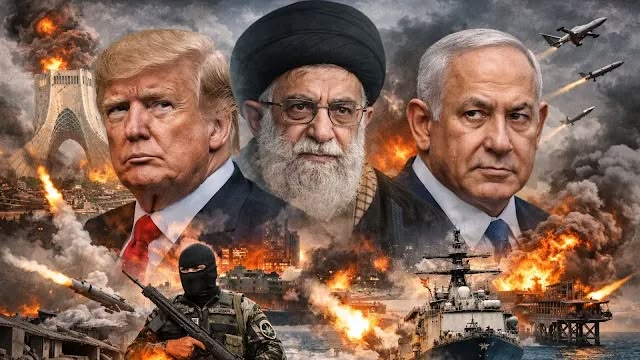
WASHINGTON — President Donald Trump on Tuesday renewed his warning to Iran, stating that the United States is prepared to destroy key Iranian infrastructure — including bridges and power plants — if Tehran does not agree to reopen the global oil trade through the Strait of Hormuz, one of the world’s most critical shipping lanes.
Speaking to reporters at the White House, Trump said U.S. intelligence assessments indicated that Iranian civilians were supportive of recent U.S. and Israeli airstrikes targeting Iranian military assets, arguing that the Iranian public “wants stability, not isolation.”
“If Iran continues blocking the Strait, their bridges, their power grid — everything — will be gone,” Trump said. “We’re giving them a chance to make the right decision.”
Background: Tensions Over the Strait of Hormuz
The Strait of Hormuz, a narrow passage between Iran and Oman, handles roughly 20% of the world’s oil shipments. Iranian naval forces have restricted tanker movement for more than a week, prompting global concern and sharp spikes in energy prices.
U.S. officials say reopening the strait is a non‑negotiable national security priority, citing the risk to global markets and allied economies.
Pentagon briefings earlier this week confirmed that American forces in the region remain on high alert, with additional naval assets deployed to the Persian Gulf.
Claims of Public Support Inside Iran
During the press conference, Trump referenced intelligence reports suggesting that many Iranians were frustrated with their government’s handling of the crisis and were “quietly supportive” of foreign strikes aimed at weakening Iran’s military leadership.
Independent verification of public sentiment inside Iran remains limited due to government censorship and restricted communication channels. Analysts note that gauging internal support is difficult, though some experts say economic hardship has increased public dissatisfaction.
International Reaction
The President’s remarks drew swift responses from global leaders:
- European Union officials urged both sides to avoid escalation and return to diplomatic channels.
- Israel publicly backed the U.S. position, calling Iran’s blockade “an act of economic warfare.”
- Oil‑producing Gulf states expressed concern about prolonged instability but supported efforts to reopen the strait.
Energy markets reacted immediately, with crude oil prices rising amid fears of potential military strikes.
What Comes Next
White House officials said Iran has been given a short window to comply before the U.S. considers “targeted, decisive action.” Defense analysts warn that strikes on infrastructure could trigger a broader regional conflict, though the administration maintains that its goal is deterrence, not escalation.
As of Tuesday evening, Iran had not issued a formal response.