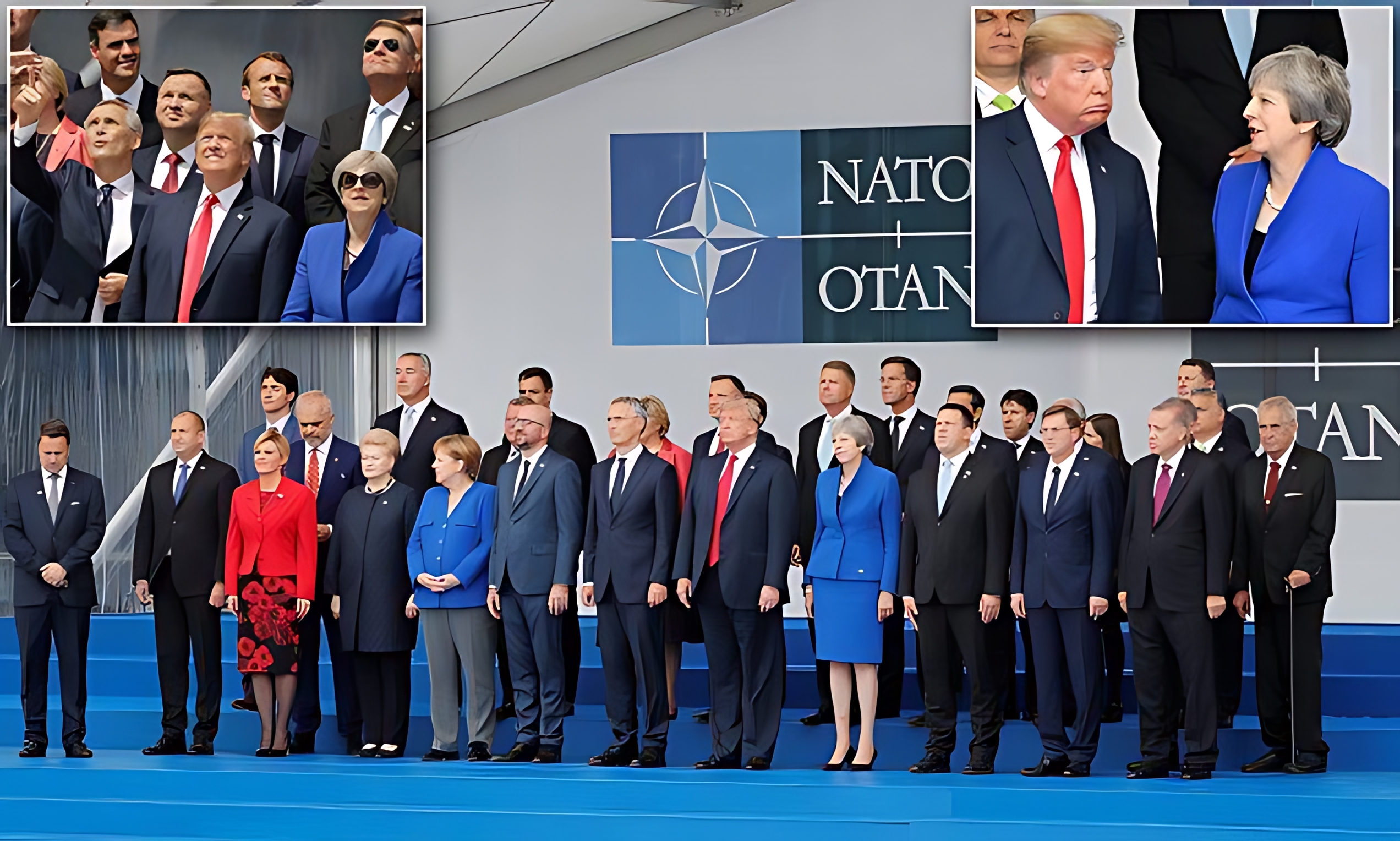
WASHINGTON — President Donald Trump is expected to raise the possibility of the United States leaving the North Atlantic Treaty Organization during an upcoming meeting with the alliance’s secretary general, according to a statement released by the White House on Thursday. The announcement immediately intensified concerns among U.S. allies and lawmakers who view NATO as a cornerstone of Western security.
White House officials said the President intends to discuss “a range of options” regarding America’s future role in the alliance, including what they described as “structural changes” and “potential withdrawal scenarios.” The meeting is scheduled to take place at the White House later this week.
“The President believes the United States has carried an unfair share of the burden for decades,” a senior administration official said. “He wants a frank conversation about what comes next.”
A Long‑Standing Point of Tension
Trump has repeatedly criticized NATO members for not meeting defense‑spending commitments, arguing that the U.S. contributes disproportionately to the alliance’s budget and military operations. While previous administrations have pressed allies to increase spending, Trump has gone further by suggesting the U.S. could scale back its involvement — or exit entirely — if changes are not made.
The White House statement did not say whether the President intends to make a formal decision during the meeting, but officials acknowledged that withdrawal is “on the table.”
NATO’s Response
NATO Secretary General Jens Stoltenberg has previously emphasized the importance of U.S. leadership within the alliance, calling it “essential to global stability.” Alliance officials did not immediately comment on the White House announcement but have consistently argued that NATO’s collective defense structure benefits all member nations, including the United States.
European diplomats privately expressed alarm at the news, noting that even discussing withdrawal could undermine deterrence at a time of heightened global tensions.
Reaction in Washington
The announcement drew swift responses from lawmakers in both parties. Several members of Congress said they would oppose any attempt to withdraw from NATO, citing bipartisan legislation passed in recent years aimed at preventing unilateral executive action on the issue.
Foreign‑policy analysts said the meeting could have significant implications for U.S. alliances, military planning, and global security arrangements.
What Comes Next
The White House said the President will outline his concerns directly to the NATO leader and seek “clear commitments” from member states regarding defense spending and strategic priorities. Officials emphasized that no final decision has been made and that the meeting is intended to “evaluate all options.”
For now, allies and analysts are watching closely, aware that even the possibility of a U.S. departure from NATO would represent one of the most consequential shifts in American foreign policy in decades.