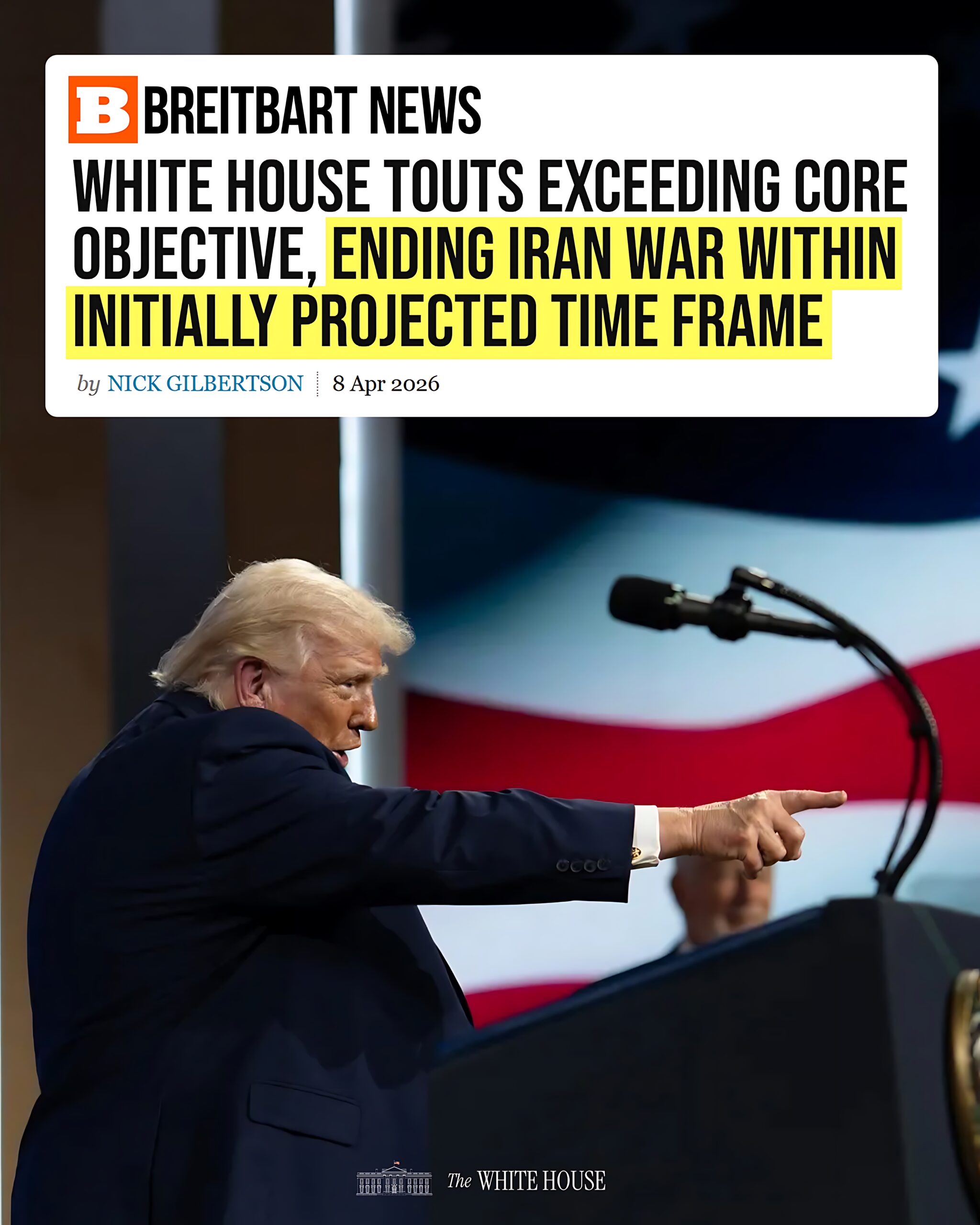
WASHINGTON, D.C. — A recent statement declaring that “strength is ensuring Iran will never have a nuclear weapon” has renewed public attention on long‑standing U.S. policy toward Iran’s nuclear ambitions. The message framed the prevention of an Iranian nuclear weapon as a strategic victory for the United States, underscoring the continued significance of the issue in American foreign policy.
A Core U.S. National Security Priority
For decades, successive U.S. administrations — Republican and Democratic — have maintained that Iran must not be allowed to develop a nuclear weapon. The concern stems from Iran’s expanding nuclear program, regional influence, and history of tensions with Western governments.
International watchdogs, including the International Atomic Energy Agency (IAEA), have repeatedly monitored Iran’s nuclear activities, reporting fluctuations in enrichment levels and compliance depending on diplomatic conditions.
Diplomacy, Sanctions, and Pressure
Efforts to prevent Iran from obtaining a nuclear weapon have historically included:
- Diplomatic agreements, most notably the 2015 Joint Comprehensive Plan of Action (JCPOA), which placed limits on Iran’s nuclear program in exchange for sanctions relief
- Economic sanctions, designed to pressure Iran into compliance with international norms
- Regional partnerships, including cooperation with Israel and Gulf states concerned about Iran’s influence
- Military deterrence, with U.S. officials consistently stating that “all options remain on the table”
The effectiveness and future of these strategies remain subjects of debate among policymakers and analysts.
Regional and Global Implications
Preventing Iran from becoming a nuclear-armed state is widely viewed as essential to maintaining stability in the Middle East. Experts warn that a nuclear Iran could trigger a regional arms race, heighten tensions with neighboring countries, and complicate global nonproliferation efforts.
At the same time, some analysts argue that long-term stability requires a sustainable diplomatic framework rather than reliance solely on pressure or deterrence.
Looking Ahead
As geopolitical dynamics shift — including conflicts in the region, evolving alliances, and changes in Iran’s domestic politics — the question of how best to prevent nuclear proliferation remains central to U.S. strategy.
While the statement emphasizes strength as the key to achieving this goal, the broader policy debate continues to revolve around how to balance diplomacy, enforcement, and regional security interests in one of the world’s most volatile areas.