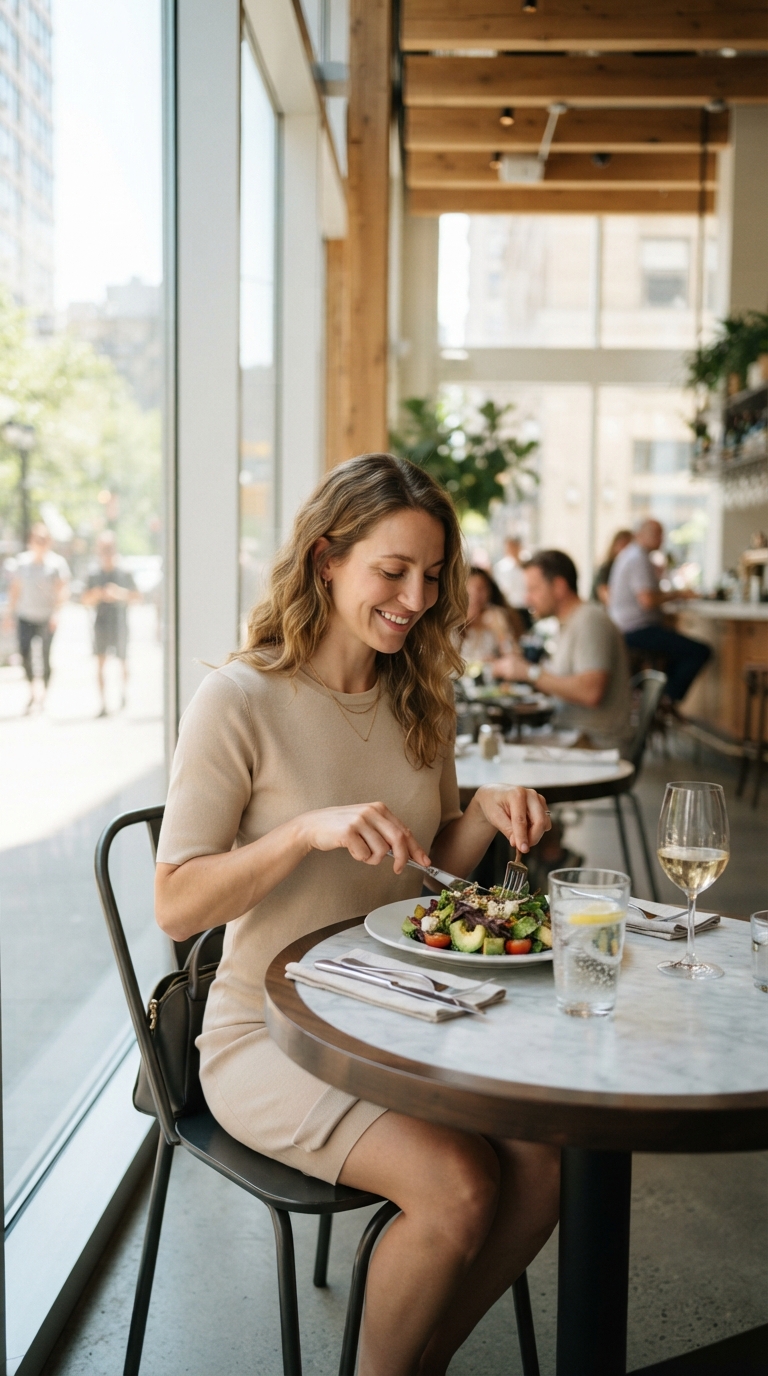
“I’m confused,” I said. “There are other tables. Why does it need to be this one?”
She didn’t answer that directly. Instead she said, “My husband proposed to me at this table. We’ve celebrated every birthday here since. It’s tradition.”
I understood the sentiment — I really did — but something about her tone made it clear this wasn’t a request. It was an expectation that I would simply give up my seat because her memory of the table outweighed my evening.
“I booked this table two weeks ago,” I said, as gently as I could. “I understand it means something to you, but I’m not willing to give it up. There are several other tables with a similar view. I’d be happy to suggest one to the host.”
Her jaw tightened. For a second I thought she might raise her voice. Instead, she turned to the server, who had been hovering nearby the whole time, clearly caught between two customers she didn’t want to disappoint.
“Can you at least ask the manager to do something?” the woman said, more command than question.
The manager came over within minutes — and to my surprise, he wasn’t apologetic to me at all. He was apologetic to her.
“Mrs. Whitfield, I’m so sorry, we did try to accommodate,” he said, and then he turned to me with a practiced, uncomfortable smile. “Ma’am, would you be willing to move to another table? We’d be glad to comp your dessert.”
That’s when I understood. This wasn’t about seating logistics. This was about a regular customer whose comfort the restaurant valued more than mine — because she came often, and I was dining alone, and alone diners are easy to move.
I looked at him, then at her, then at the child who was watching all of this with wide, uncomfortable eyes.
“No,” I said, calm but firm. “I made a reservation. I’m a paying guest, just like she is. If this table matters that much to her, I’d suggest reserving it two weeks in advance next time, the way I did.”
The silence that followed was the loudest part of the whole evening.
The manager, to his credit, backed down. He apologized to me properly this time, comped my dessert anyway, and quietly moved the woman’s family to an equally nice table across the room.
I finished my dinner exactly where I’d started — alone, by the window, with a view I’d paid for and earned. Sometimes the best gift you give yourself isn’t the dessert. It’s simply refusing to give up your seat.