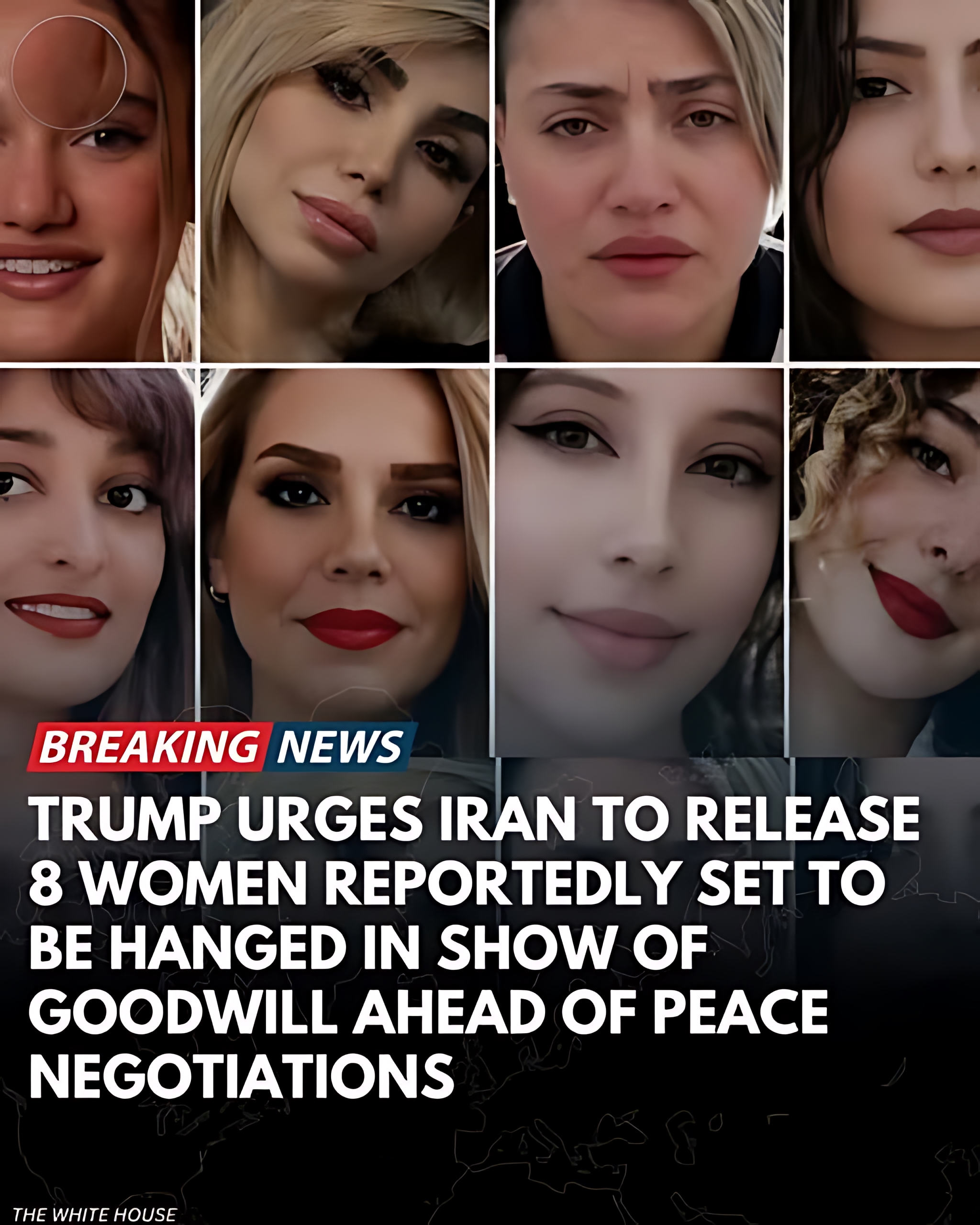
WASHINGTON — President Donald Trump publicly called on Iran on April 21, 2026, to release eight women whom he said were facing imminent execution, injecting a new human‑rights flashpoint into the fragile diplomatic landscape just days before the next round of U.S.–Iran negotiations.
Trump issued the appeal in a social‑media message addressed directly to Iran’s leadership, saying he would “greatly appreciate the release of these women” and urging Tehran to halt any planned executions. The request came one day after Trump extended the U.S.–Iran ceasefire, citing Pakistan’s mediation efforts and what he described as internal divisions within Iran’s government.
Iran Denies Executions Were Planned
Within hours of Trump’s statement, Iran’s judiciary pushed back forcefully, denying that any executions had been scheduled and accusing the U.S. president of amplifying false claims circulated by anti‑Iran groups. Iran’s Mizan news agency called the entire issue a “fabrication,” asserting that Trump had “fallen for” misinformation and was attempting to claim a diplomatic victory where none existed.
Iranian officials said some of the women had already been released and that others faced charges that could lead to prison time but not the death penalty.
Trump Says Iran Agreed to Halt Executions
Despite Tehran’s denials, Trump announced the following day that Iran had agreed not to execute the eight women, calling it “very good news.” He said four of the women would be released immediately and the remaining four would receive one‑month prison sentences.
“I very much appreciate that Iran, and its leaders, respected my request,” Trump wrote, framing the development as a sign of goodwill ahead of negotiations.
Iran, however, continued to insist that no such executions had been planned and that no concessions were made.
Diplomatic Stakes Ahead of New Talks
The dispute unfolded as U.S. and Iranian negotiators prepared for a new round of indirect talks in Pakistan. Trump has expressed frustration with Iran’s refusal to reopen the Strait of Hormuz despite the ceasefire, and analysts say the disagreement over the women highlights the deep mistrust complicating the diplomatic process.
Human‑rights groups have not independently confirmed the existence of execution orders for the eight women, though they note that Iran has a documented history of harsh sentencing for protest‑related offenses.
A Human‑Rights Flashpoint in a Volatile Moment
The episode underscores how human‑rights issues can rapidly become leverage points in high‑stakes geopolitical negotiations. Whether Trump’s intervention influenced Iran’s actions remains disputed, but the public clash has added a new layer of complexity to already‑fragile ceasefire diplomacy.
As negotiators prepare to reconvene, the fate of the eight women — and the competing narratives surrounding them — continues to shape the political atmosphere around the talks