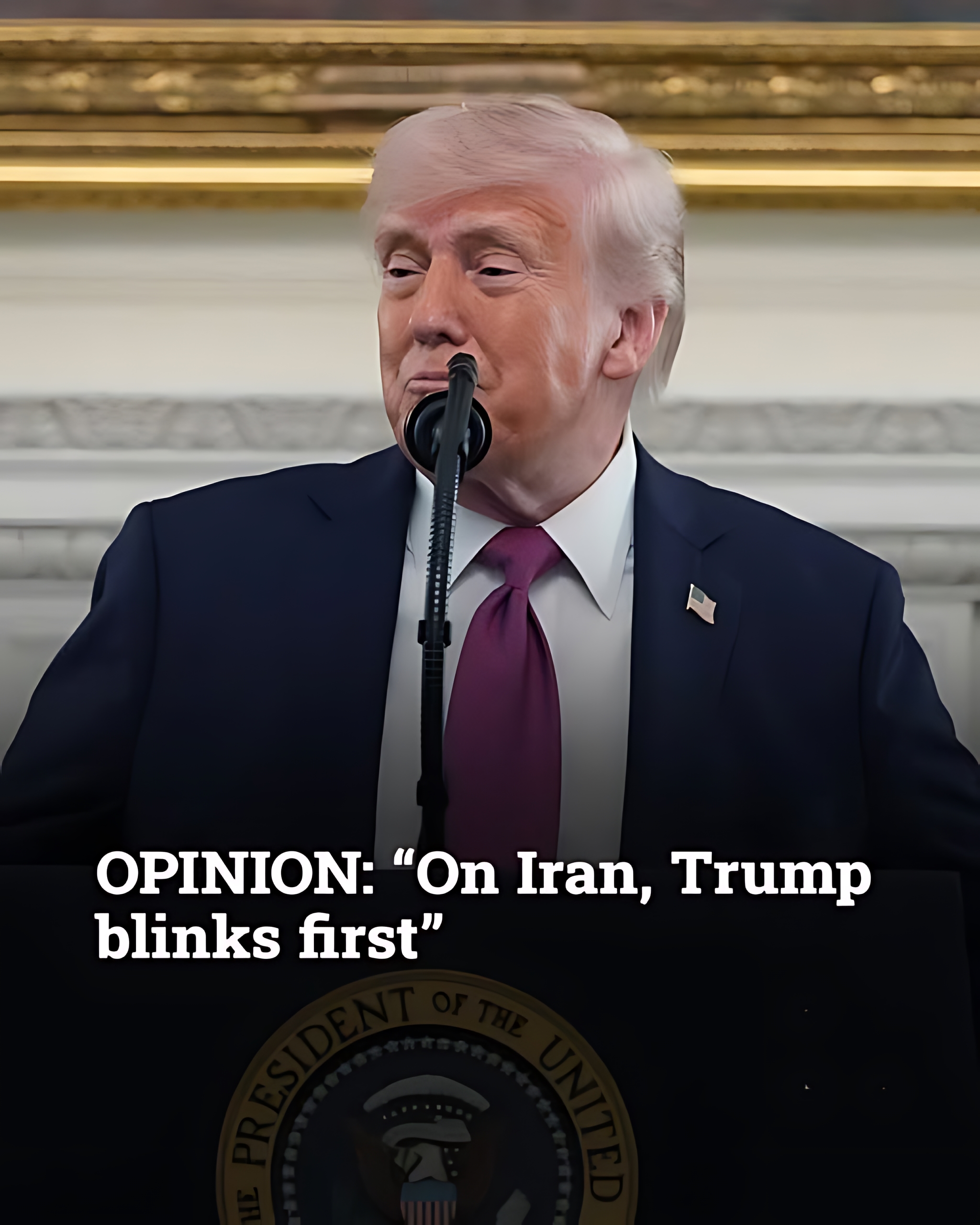
With just hours remaining before the two‑week ceasefire with Iran was set to expire — and after days of escalating rhetoric from the White House — President Donald Trump ultimately chose restraint over confrontation. For critics, it was a familiar pattern. For supporters, it was strategic patience. But for nearly everyone watching, the moment carried the unmistakable feel of a president stepping back from the brink.
Throughout the week, Trump had warned that the United States was prepared to resume airstrikes “within minutes” if Iran failed to present a unified negotiating position. He described the stakes in existential terms, at one point suggesting that Iran risked “the end of its civilization” if it miscalculated. Yet when the deadline arrived, the White House announced not a strike, but an extension — an open‑ended pause requested by Pakistani mediators and justified by what U.S. officials described as “fractured leadership” inside Iran.
A Pattern of Maximum Pressure, Minimum Follow‑Through
Analysts quoted in major outlets have noted that Trump’s approach to Iran often follows a recognizable arc: maximalist threats, a dramatic countdown, and then a last‑minute pivot toward diplomacy. Supporters argue this is leverage — a negotiating tactic designed to force concessions without firing a shot. Critics say it signals inconsistency, emboldening adversaries who now expect the president to pull back when the moment of decision arrives.
The latest extension fits squarely into that debate. After two weeks of naval standoffs, drone interceptions, and public warnings, the administration’s decision to pause rather than strike left some Republican lawmakers frustrated and some foreign allies relieved.
Why the White House Stepped Back
Officials familiar with the decision say three factors shaped the president’s choice:
- Pakistan’s request for more time, insisting Iran needed additional days to assemble a negotiating team.
- Concerns about escalation, particularly after U.S. intelligence warned that renewed strikes could trigger retaliation across the region.
- Internal divisions in Tehran, which the White House framed as evidence that Iran was not yet capable of presenting a coherent proposal.
The administration emphasized that the U.S. naval blockade remains in place and that military options “are fully prepared.”
The Optics of a Blink
Whether the president “blinked” depends largely on political perspective. To critics, the moment reinforced the idea that Trump’s threats are more theatrical than actionable. To supporters, it showed discipline — a willingness to avoid war even when the political cost is high.
But the broader reality is this: the ceasefire extension buys time, not resolution. Iran has seized ships, rejected talks, and accused the U.S. of violating the truce. The United States has maintained its blockade and warned of consequences. And the diplomatic track remains fragile, with no clear path to a durable agreement.
A Pause, Not a Peace
For now, the president’s decision has delayed a potential military confrontation. But it has also raised a deeper question that will shape the next phase of the crisis: Is the White House’s strategy one of controlled brinkmanship — or a cycle of threats that ultimately lead nowhere?
As the clock resets on the ceasefire, both Washington and Tehran appear to be bracing for the next test.