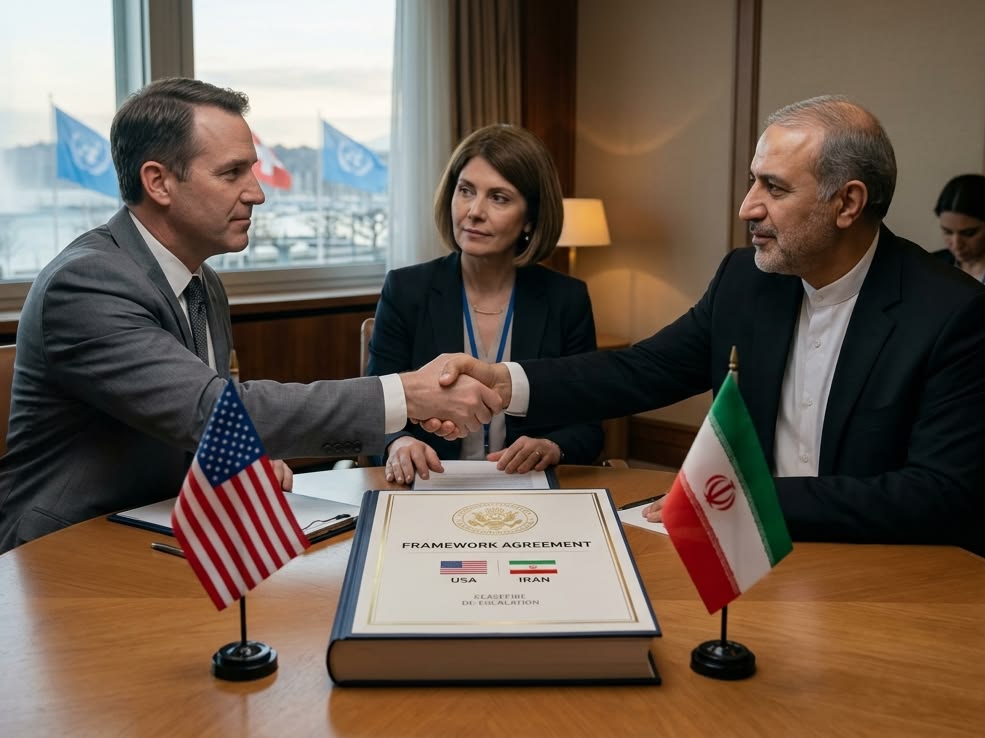
U.S. negotiators are preparing to urge Iranian officials to release several American citizens detained in Iran, according to reporting from The Washington Post and other outlets. The effort comes as part of a broader diplomatic push unfolding amid heightened tensions and ongoing discussions over regional security and the future of U.S.–Iran relations.
Talks Complicated by Wider Geopolitical Strain
People familiar with the planning told reporters that the request for the detainees’ release may be delayed if negotiations between U.S. officials and Iranian representatives become strained. The discussions are taking place against the backdrop of a fragile ceasefire between the United States, Iran, and regional actors — a truce that has paused weeks of military escalation but remains uncertain in scope and durability.
The ceasefire, brokered with international assistance, has temporarily halted hostilities and reopened critical shipping lanes, but analysts note that both sides remain far apart on long-term political and security issues. This uncertainty adds pressure to the detainee negotiations, which U.S. officials view as a humanitarian priority but one deeply intertwined with broader diplomatic dynamics.
Detained Americans at the Center of Diplomatic Push
The United States has repeatedly called for the release of its citizens held in Iran, describing their detention as unjust. While the exact number of Americans detained has not been publicly confirmed in recent reports, past cases have included dual nationals and individuals accused by Iran of espionage or national security violations — charges the U.S. has consistently rejected.
Negotiators are expected to raise the issue directly in upcoming discussions, though sources caution that progress may depend on how smoothly the broader talks proceed. If early exchanges prove contentious, the detainee request could be postponed to avoid derailing the entire diplomatic effort.
A Test for the Ceasefire’s Durability
The detainee negotiations will unfold as U.S. and Iranian officials prepare for additional talks aimed at stabilizing the ceasefire and exploring longer-term agreements. Analysts say the outcome of these discussions will signal whether the current pause in hostilities can evolve into a more lasting arrangement — or whether it will collapse under the weight of unresolved disputes.
For families of the detained Americans, the renewed diplomatic engagement offers a rare moment of cautious hope. But with regional tensions still high and political divisions deep on all sides, the path to securing their release remains uncertain.