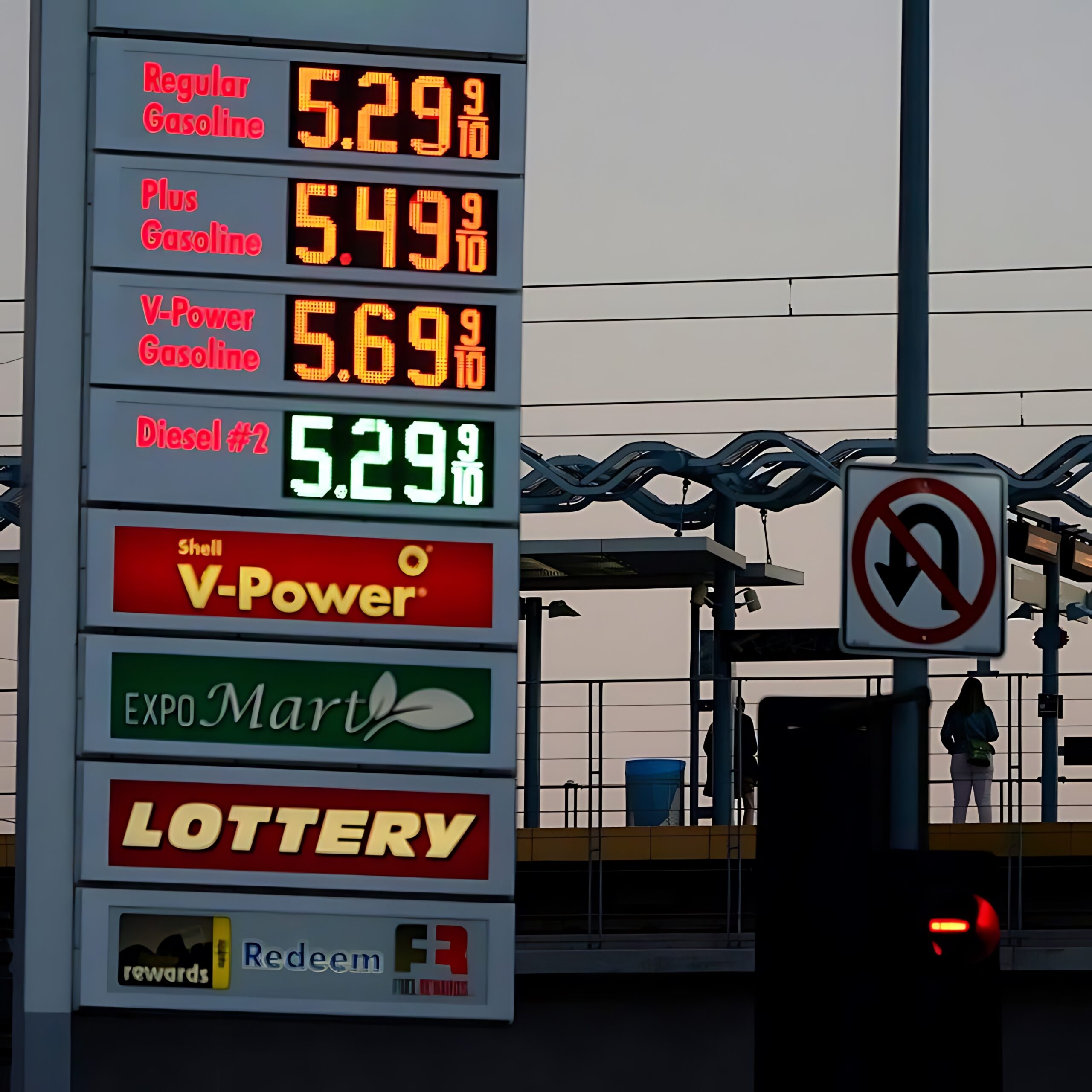
U.S. inflation accelerated sharply in March as geopolitical turmoil in the Middle East—particularly the escalating conflict involving Iran—sent energy prices soaring and disrupted global shipping routes, according to newly released economic data.
The Consumer Price Index (CPI) rose at its fastest monthly pace in nearly a year, driven largely by higher oil and transportation costs. Economists say the conflict has tightened global energy supplies and increased insurance and freight costs for goods moving through key trade corridors, effects that quickly filtered into consumer prices.
Energy Shock Reignites Price Pressures
The renewed instability in the region pushed crude oil prices higher throughout March, with markets reacting to fears of supply interruptions and retaliatory strikes. Those increases translated into higher gasoline prices across the United States, a major contributor to the month’s inflation spike.
Shipping disruptions in the Persian Gulf and surrounding waterways also added to the pressure. Rerouted cargo, longer transit times, and elevated security costs have raised the price of imported goods, from raw materials to consumer products.
Economists note that while energy-driven inflation can ease quickly once markets stabilize, the immediate shock has complicated the Federal Reserve’s efforts to bring overall inflation back to its long‑term target.
Broader Economic Impact Still Unfolding
Beyond energy, several categories—including airfare, groceries, and household goods—saw modest price increases tied to higher transportation and logistics costs. Analysts warn that if the conflict persists, these secondary effects could broaden, making inflation more persistent.
Businesses that rely heavily on imported components or fuel-intensive operations have already signaled potential price adjustments in the coming months. Some retailers have reported delays and rising costs in their supply chains, though many say they are attempting to avoid passing the full burden onto consumers.
Policymakers Face Renewed Challenges
The March inflation report arrives at a delicate moment for U.S. policymakers. Federal Reserve officials have been weighing the timing of potential interest‑rate cuts, but the unexpected price surge may force them to delay any easing until they see clearer signs of stability.
Administration officials have condemned the violence in the region and emphasized the need to protect global energy flows. They have also said they are monitoring domestic price pressures closely and are prepared to use strategic petroleum reserves or other tools if necessary.
Uncertainty Ahead
Whether March’s inflation spike proves temporary will depend largely on developments in the Iran conflict and the resilience of global supply chains. For now, economists say the situation underscores how quickly geopolitical shocks can ripple through the U.S. economy, even from thousands of miles away.