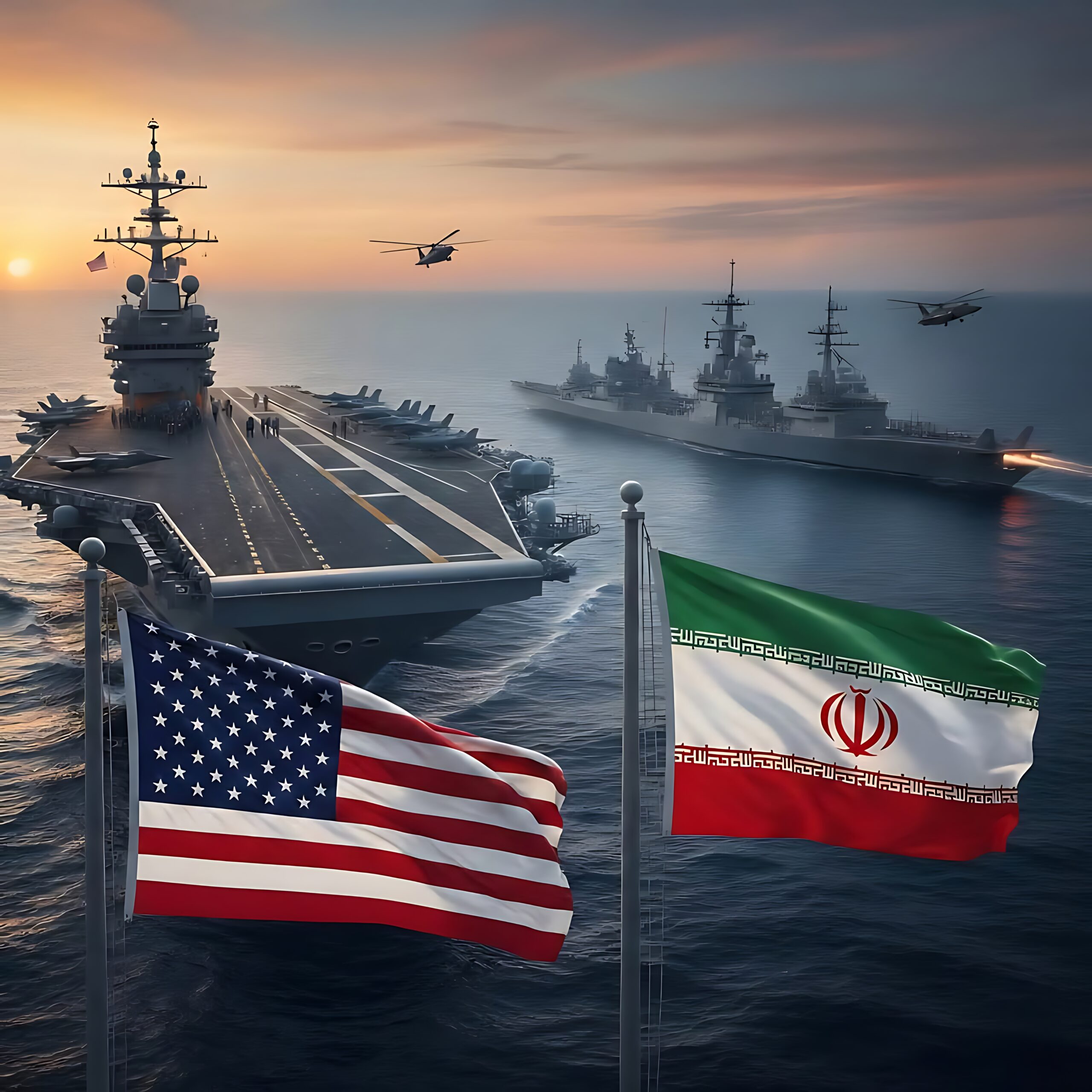
WASHINGTON — The Trump administration is preparing to significantly reduce its funding request for U.S. military operations related to the conflict with Iran, according to officials familiar with early budget discussions. The move marks a notable shift in the administration’s approach as negotiations with Tehran continue and political pressure grows at home.
The revised request, expected to be submitted to Congress in the coming weeks, would scale back several categories of projected wartime spending, including contingency operations, regional deployments, and certain intelligence programs tied to monitoring Iranian activity.
Senior officials said the adjustment reflects a belief inside the administration that the conflict may be entering a “different phase,” with diplomatic channels opening and large‑scale military escalation appearing less likely.
A Strategic Reassessment
Defense Department sources said the administration’s original funding outline — drafted at the height of tensions — assumed a prolonged period of heightened military readiness. But with indirect negotiations underway and Iran signaling potential interest in de‑escalation, officials say the Pentagon is recalibrating its expectations.
The revised request is expected to:
- Reduce projected costs for extended naval deployments
- Trim funding for rapid‑response ground units positioned in the region
- Shift resources toward intelligence, surveillance, and cyber operations
- Maintain funding for force protection and defensive capabilities
One official described the change as “a move from crisis posture to sustained monitoring.”
Political and Public Pressure
The decision comes as lawmakers from both parties have pressed the administration for clearer explanations of its long‑term goals in the conflict. Recent polling shows that many Americans feel the administration has not fully articulated its strategy, raising concerns about open‑ended military commitments.
Budget analysts say the reduced request may help ease tensions with Congress, where some members have questioned the scale of earlier funding projections.
Negotiations With Iran Continue
The funding shift also coincides with ongoing diplomatic efforts to reopen the Strait of Hormuz and establish a framework for de‑escalation. While the White House has maintained a firm stance — including warnings of potential strikes on Iranian infrastructure — officials say the administration is increasingly focused on securing a negotiated outcome.
Iran has rejected U.S. ultimatums but has signaled willingness to engage in talks through European and Gulf intermediaries.
What Comes Next
The administration is expected to formally present the revised funding request later this month. Congressional committees will then begin reviewing the proposal, a process likely to spark debate over the future of U.S. involvement in the region.
For now, the shift suggests the administration is preparing for a conflict that may rely less on large‑scale military operations and more on diplomacy, intelligence, and targeted deterrence.