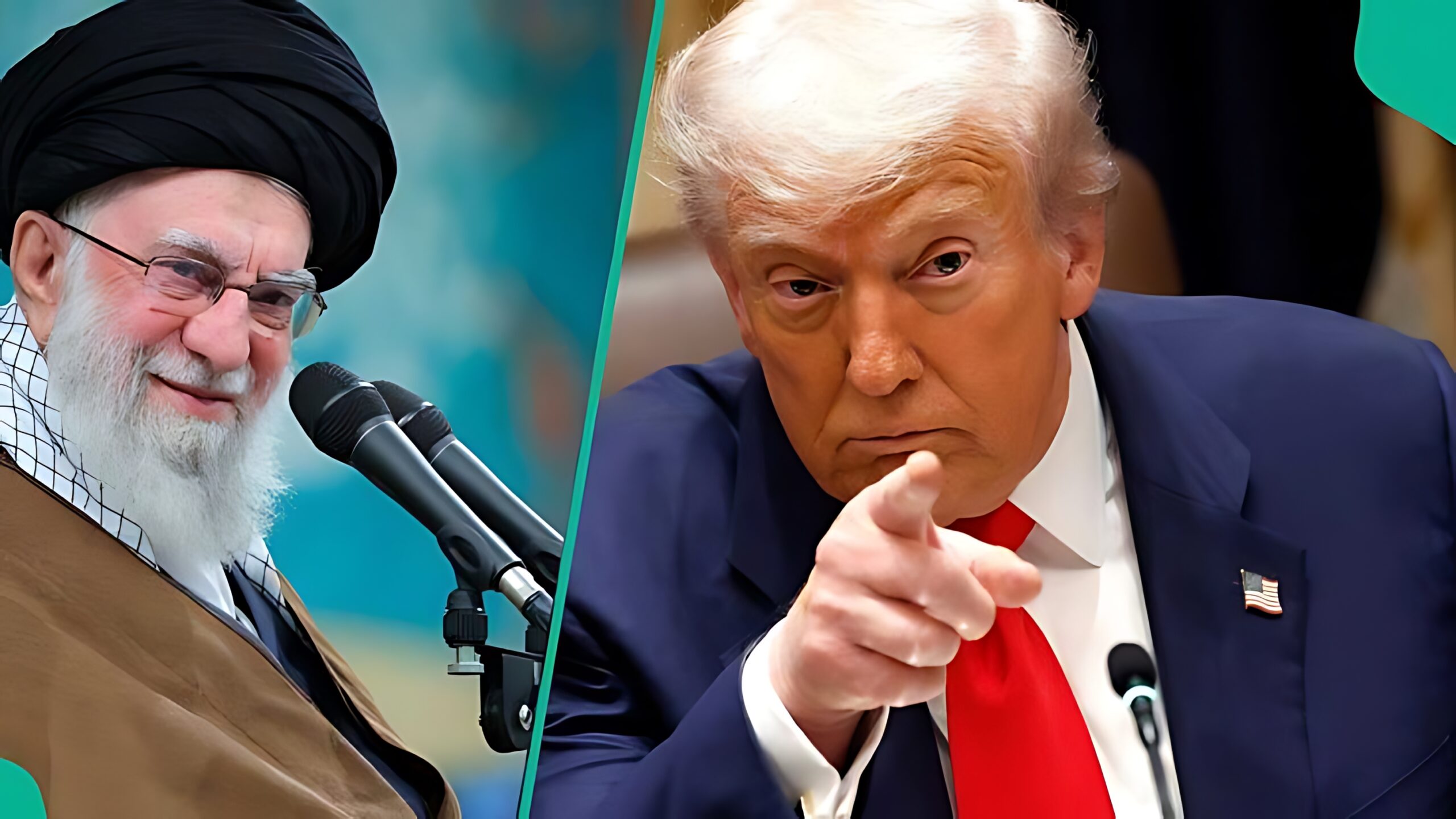
As the conflict between the United States and Iran continues to reshape regional dynamics, analysts are taking stock of the five goals that President Donald Trump outlined—directly or indirectly—when the confrontation escalated into open conflict. Public statements from the administration, reporting from major outlets, and assessments from foreign‑policy experts provide a mixed picture of progress, setbacks, and unresolved challenges.
1. Deterring Iran’s Military and Proxy Activity
One of the administration’s central objectives was to weaken Iran’s ability to project power through its military forces and regional proxy groups. U.S. strikes have targeted Iranian infrastructure, militia leadership, and weapons depots. Analysts say these actions have disrupted some operations but have not eliminated Iran’s capacity to retaliate or influence neighboring states. Several regional militias aligned with Tehran remain active, and intelligence assessments suggest Iran has adapted by dispersing assets and shifting tactics.
2. Protecting U.S. Personnel and Regional Allies
Another stated priority was safeguarding American troops, diplomats, and partners in the Middle East. The Pentagon has reinforced bases, deployed additional air‑defense systems, and increased naval patrols. While these measures have reduced the success of some attacks, U.S. and allied positions have still faced periodic strikes. Regional partners—including Israel, Jordan, and Gulf states—continue to navigate heightened security risks.
3. Pressuring Iran’s Government Politically and Economically
The administration has maintained that sustained military and economic pressure would weaken Iran’s leadership and limit its strategic options. Sanctions remain in place, and the conflict has intensified Iran’s economic strain. However, experts note that Iran’s political system has shown resilience under pressure. Instead of capitulating, Iranian leaders have emphasized national unity and sought support from Russia, China, and other partners to offset U.S. leverage.
4. Preventing Nuclear Escalation
A key U.S. goal has been preventing Iran from advancing its nuclear program. The conflict has complicated this effort. International monitors report that Iran has continued to expand its enrichment capabilities, arguing that U.S. military actions justify defensive measures. Diplomatic channels remain limited, and experts warn that without negotiations, long‑term nonproliferation goals may be harder to achieve.
5. Reasserting U.S. Influence in the Middle East
The administration has framed the conflict as part of a broader effort to reestablish American dominance in the region. Increased military deployments and high‑profile operations have demonstrated U.S. capabilities. Yet the war has also raised questions among allies about long‑term strategy and stability. Some governments have supported U.S. actions, while others have urged de‑escalation, reflecting a region divided over Washington’s approach.
A Mixed Scorecard With Uncertain Trajectory
Foreign‑policy analysts say that while the administration has achieved tactical successes—such as disrupting specific Iranian operations—it has not fully met several of its broader strategic goals. The conflict remains fluid, and outcomes may depend on diplomatic developments, regional alliances, and Iran’s internal calculations.