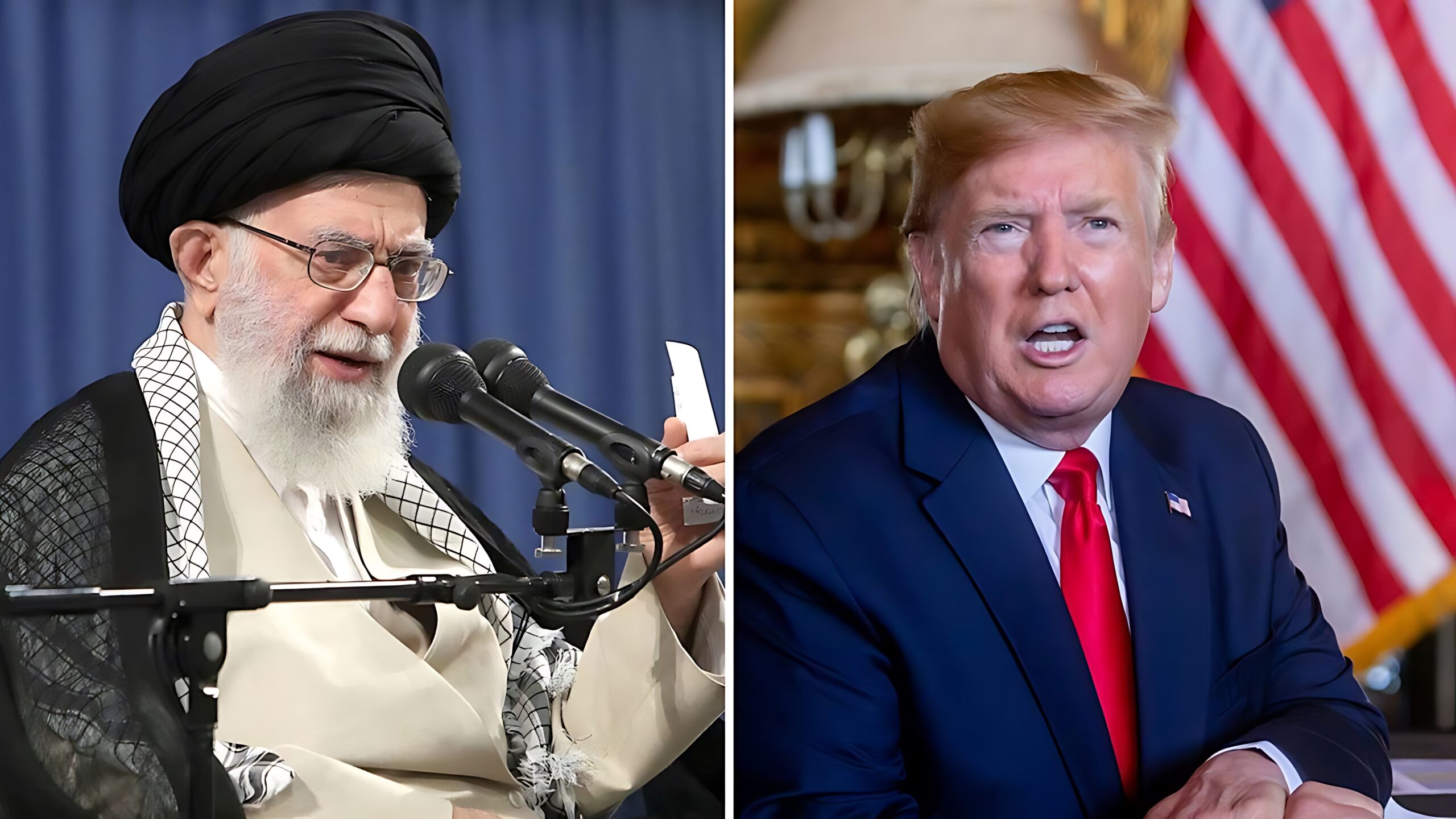
Washington, D.C. — With the United States locked in a volatile conflict with Iran, senior intelligence officials are racing against the clock to prevent a key surveillance authority from lapsing — a development they warn could leave the country partially “blind” at a moment of heightened national security risk.
At the center of the scramble is Section 702 of the Foreign Intelligence Surveillance Act (FISA), a powerful tool that allows U.S. agencies to collect communications of foreign targets overseas. The statute is set to expire on April 20, and several major telecommunications carriers have privately told the administration they will stop assisting with data collection the moment the law lapses, citing liability concerns.
A Looming Intelligence Gap
Officials warn that even a temporary interruption could create dangerous blind spots. One former senior national security official described the situation bluntly: “We are going to go blind for a while, and that’s incredibly concerning amid a war.”
The U.S. is currently enforcing a naval blockade around Iranian ports, and tensions in the Strait of Hormuz have escalated sharply. Intelligence agencies argue that Section 702 is essential for monitoring foreign military movements, intercepting communications tied to potential attacks, and tracking cyber threats linked to Iran and its regional partners.
Political Pressure and a Divided Congress
The Trump administration is pushing for an 18‑month “clean” extension of Section 702 — meaning no reforms or new restrictions — a position backed by Senate Intelligence Committee Chair Tom Cotton and several Republican leaders. They argue that wartime conditions make any debate over reforms too risky.
But the path forward is uncertain. Some lawmakers in both parties want new guardrails, including warrant requirements for searches involving Americans’ data. Others oppose any expansion of surveillance powers. The House is expected to vote soon, but leadership has not secured the votes needed for passage.
Complicating matters further, President Trump has floated the idea of tying the FISA extension to a broader elections bill — a move that could fracture support and delay action.
Intelligence Community Mobilizes
Behind the scenes, intelligence officials are mounting an aggressive lobbying effort. According to reporting, CIA Director John Ratcliffe and White House adviser Stephen Miller are personally urging skeptical lawmakers to approve the extension. The CIA has also contacted former national security officials from Democratic administrations to help persuade hesitant Democrats.
Officials have highlighted past successes attributed to Section 702, including intelligence that helped thwart a planned attack on a Taylor Swift concert in 2024 and information used in a Mexican military raid that killed cartel leader “El Mencho.”
Civil Liberties Concerns Persist
Civil liberties groups on both the left and right argue that Section 702 allows warrantless surveillance that can sweep up Americans’ communications. They warn that a clean extension would preserve broad powers that have been criticized for years.
Still, the Iran conflict has shifted the political landscape. Surveillance hawks are using wartime urgency to argue that reforms would weaken national security. As one analyst noted, “The argument writes itself: We’re at war. This is no time to weaken intelligence capabilities.”
The Countdown Continues
With just days remaining before the deadline, the stakes are high. If Congress fails to act, carriers may halt cooperation, and intelligence agencies could lose access to streams of data they consider vital.
For now, the intelligence community is bracing for the possibility of operating with diminished visibility — at a moment when the U.S. is navigating one of the most dangerous geopolitical crises in years.