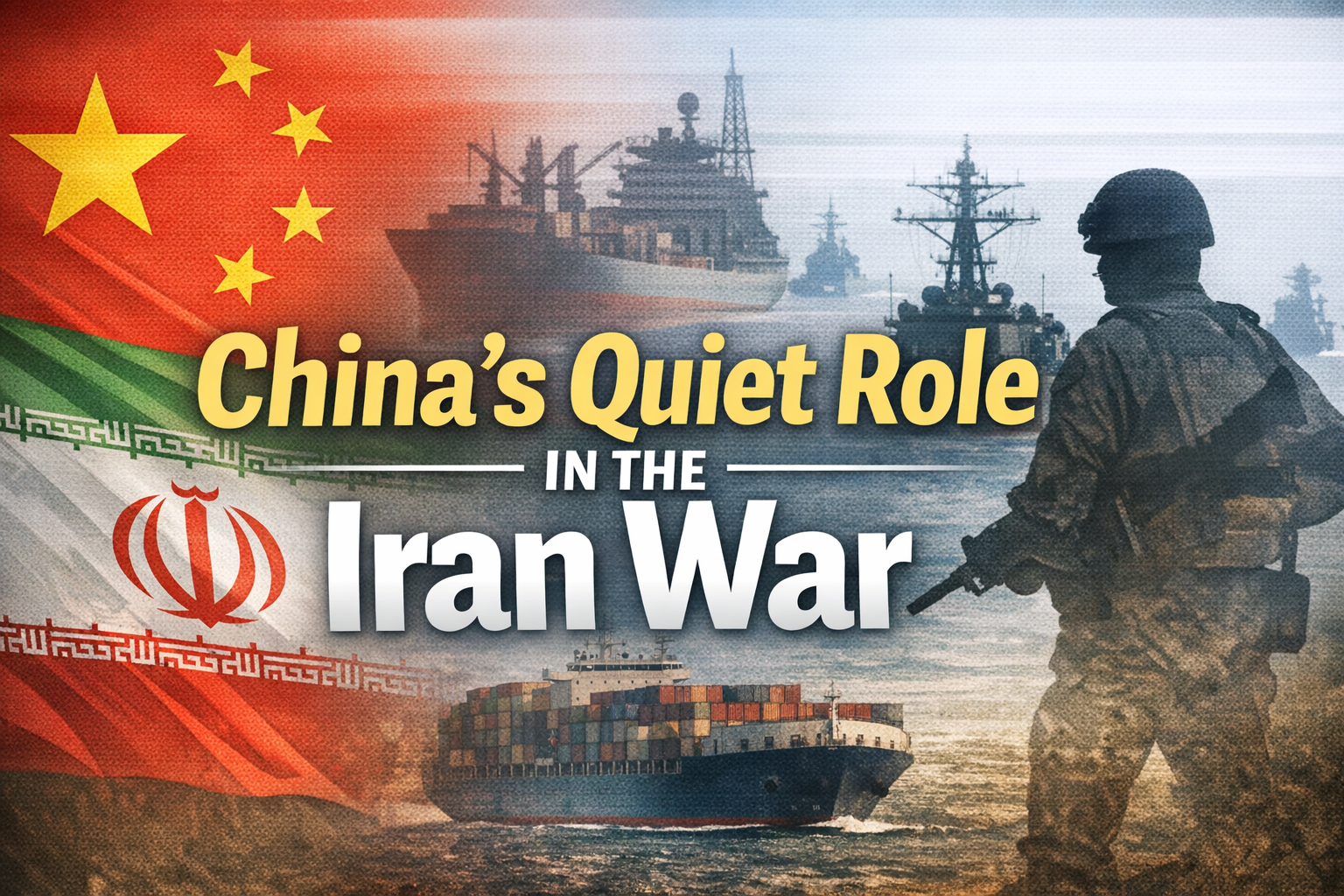
BEIJING / WASHINGTON — As the Iran war reshapes global security and energy markets, China has emerged as one of the most influential but least visible players in the crisis. While the United States, European governments, and regional powers have taken public positions, Beijing has opted for a quieter, back‑channel approach — a strategy analysts say reflects its economic interests, diplomatic ambitions, and desire to avoid direct confrontation with Washington.
Chinese officials have issued only limited public statements since the conflict began, calling for restraint and urging all parties to return to negotiations. But diplomats familiar with the situation say China has been active behind the scenes, using economic leverage and discreet communication channels to shape outcomes without stepping into the spotlight.
Energy Security Drives China’s Caution
China is the world’s largest importer of crude oil, and a significant share of its supply flows through the Strait of Hormuz, the same waterway now affected by U.S. naval operations and Iranian countermeasures.
Analysts say Beijing’s priority is simple: keep energy flowing and avoid a regional escalation that could disrupt global markets.
China has reportedly:
- Pressed Iran privately to avoid actions that could close the strait
- Urged Gulf states to maintain stable production
- Increased strategic petroleum reserves as a buffer
A Beijing‑based energy expert said China “cannot afford a prolonged disruption,” making quiet diplomacy more effective than public confrontation.
Avoiding a Direct Clash With Washington
The Iran war has placed China in a delicate position. Beijing opposes unilateral U.S. sanctions and has long criticized American military operations in the region. But it also seeks to avoid a direct geopolitical clash with Washington at a moment when U.S.–China tensions are already elevated.
By staying behind the scenes, China can:
- Protect its relationship with Iran
- Avoid appearing to side with Tehran against the U.S.
- Maintain flexibility in future negotiations
A former Chinese diplomat described the approach as “strategic ambiguity with economic clarity.”
Preserving Influence Without Owning the Conflict
China has invested heavily in Iran through the Belt and Road Initiative and long‑term energy agreements. But taking a public leadership role in the conflict could expose Beijing to diplomatic risks and force it to take sides in ways it prefers to avoid.
Instead, China has focused on:
- Quietly coordinating with Gulf states
- Maintaining communication with Iran’s foreign ministry
- Supporting UN‑based diplomatic efforts
- Positioning itself as a potential mediator without committing to the role
This allows China to preserve influence while avoiding responsibility for the conflict’s outcome.
A Long Game Focused on Regional Stability
Experts say China’s approach reflects a broader strategy: expand influence in the Middle East without becoming entangled in its wars.
Beijing’s behind‑the‑scenes posture mirrors its handling of other regional crises, where it has preferred economic engagement and quiet diplomacy over military involvement.
“China wants stability, not headlines,” one Middle East analyst said. “It gains nothing from taking center stage in a war it didn’t start.”
What Comes Next
As ceasefire negotiations continue and global markets remain volatile, China is expected to maintain its low‑profile strategy. Diplomats say Beijing could play a larger role if talks advance — but only if doing so aligns with its economic and geopolitical interests.
For now, China remains a powerful but largely invisible force in the Iran war, shaping events from the shadows while others dominate the public stage