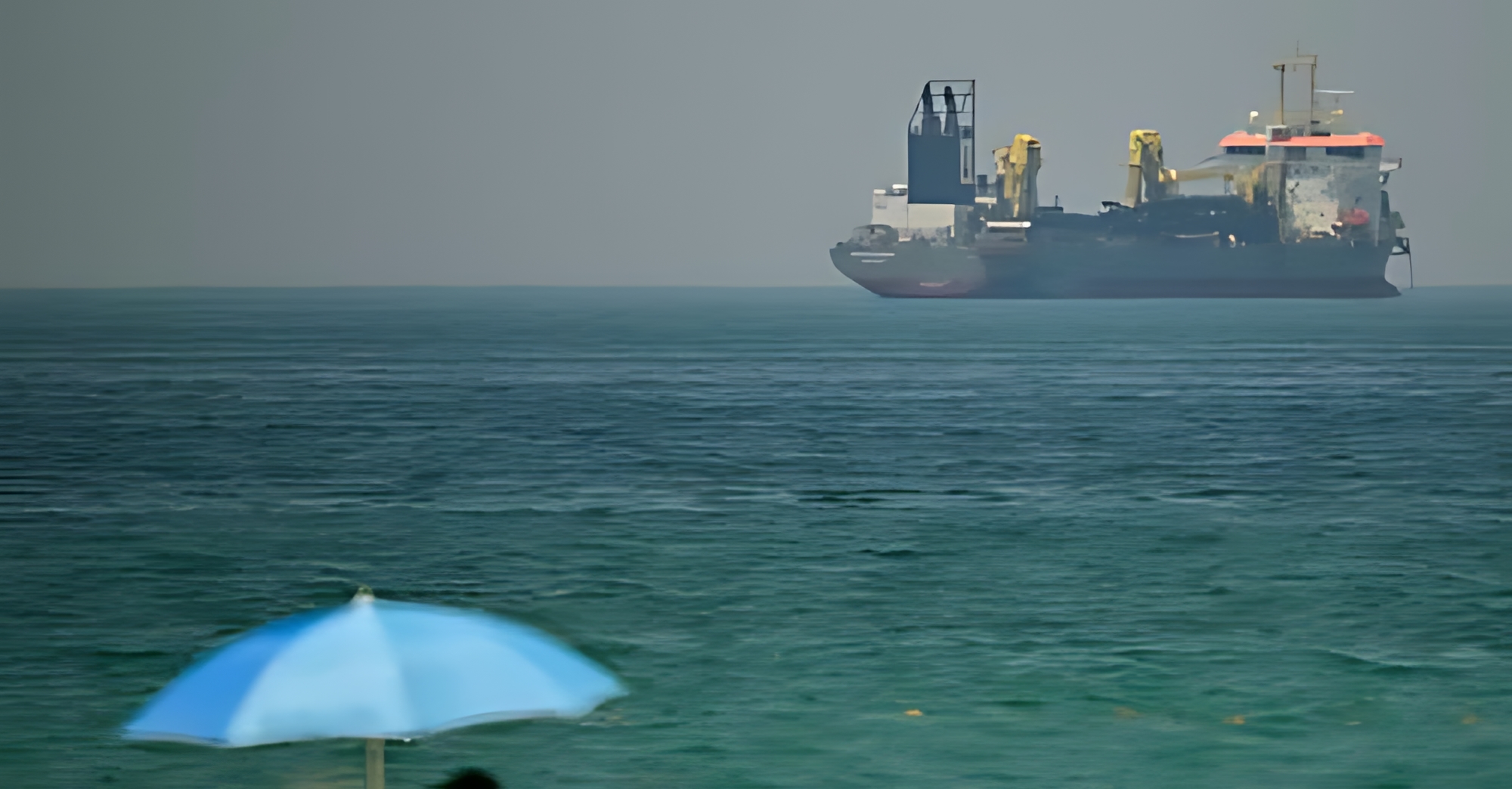
TEHRAN / WASHINGTON — Iran’s Islamic Revolutionary Guard Corps (IRGC) announced Wednesday that it seized two foreign commercial vessels in the Strait of Hormuz, escalating tensions in the region only hours after President Donald Trump extended the U.S.–Iran ceasefire indefinitely.
The IRGC identified the ships as the MSC Francesca and the Epaminondas, claiming both vessels violated maritime regulations and manipulated their tracking systems while entering the strategic waterway. Iranian state media said the ships were escorted to Iranian shores for investigation.
The seizures came shortly after Trump announced he would prolong the fragile ceasefire to give Iran’s leadership time to “come up with a unified proposal” for peace talks — a move requested by Pakistani mediators.
Two Separate Attacks Reported Before Seizures
British maritime authorities reported two attacks earlier in the day, including an incident in which an IRGC gunboat opened fire on a container ship northeast of Oman, causing heavy damage to the vessel’s bridge. All crew members were reported safe.
A second cargo ship west of Iran also reported being fired upon and forced to stop in the water. Hours later, the IRGC confirmed it had intercepted and seized two vessels, escorting them to the Iranian coast.
Iran Says Seizures Are a Response to U.S. Actions
Iranian media framed the seizures as part of a broader response to what Tehran described as U.S. “armed piracy” — referring to the U.S. seizure of an Iranian commercial vessel earlier this week. Iranian officials said the U.S. blockade and recent maritime confrontations violated the ceasefire.
The IRGC reiterated that “disrupting the order and safety of the Strait of Hormuz is our red line,” signaling that Iran intends to assert control over the waterway despite ongoing diplomatic efforts.
Ceasefire Extension Now Under Strain
Trump’s decision to extend the ceasefire was intended to preserve space for negotiations, but the ship seizures have cast doubt on whether talks can resume. Vice President JD Vance had been expected to travel to Pakistan for a second round of indirect negotiations, but U.S. officials now say the timeline is uncertain.
The