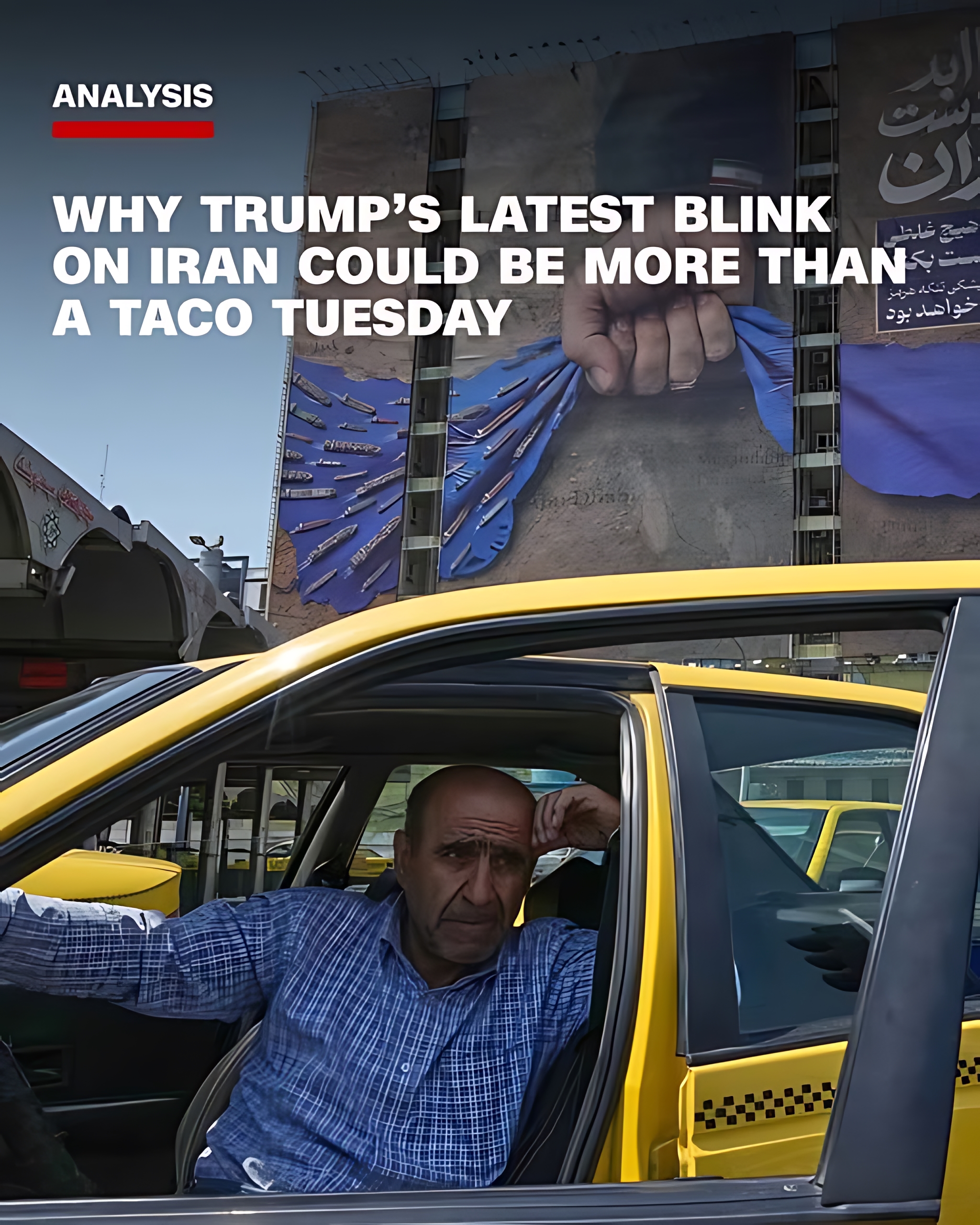
President Donald Trump’s decision to extend the ceasefire with Iran—mocked by critics as another “TACO Tuesday,” shorthand for “Trump always chickens out”—has become a focal point in Washington’s ongoing debate over his wartime leadership. While the nickname has gone viral, analysts argue the moment reflects something more consequential than political memes: a pattern of maximalist threats followed by abrupt reversals that may be weakening U.S. leverage.
Trump had warned that Iran faced catastrophic consequences if it did not meet his deadline for negotiations, even suggesting that an entire civilization could be wiped out. Yet hours before the deadline, he reversed course and agreed to a Pakistani-mediated ceasefire extension. Reuters reporting notes that this climbdown highlighted the limits of Trump’s coercive strategy, which relies heavily on extreme rhetoric and last-minute pressure.
A Strategy Showing Strain
Inside Iran, analysts say Trump’s repeated threats—followed by pauses—may be eroding the credibility of U.S. warnings. CNN’s reporting indicates that Iran’s refusal to attend talks in Islamabad left Vice President JD Vance waiting at home, underscoring the diplomatic stalemate. U.S. officials believe Iran’s fractured leadership and internal uncertainty are slowing negotiations, but some experts argue this explanation may also serve to mask Washington’s own strategic missteps.
The new Supreme Leader, Mojtaba Khamenei, is reportedly in hiding, complicating communication within Iran’s government. But analysts also point out that U.S. and Israeli strikes have eliminated several Iranian officials who previously held the authority to negotiate, further muddying the diplomatic landscape.
The Bigger Picture
Trump has long framed himself as a master negotiator, but experts quoted by Reuters say his approach may be boxing him in. By issuing threats he cannot realistically carry out—such as destroying an entire civilization—he risks undermining U.S. credibility not only with Iran but with other global rivals who may begin to see through his tactics.
Meanwhile, Iran emerges from each cycle of escalation and de-escalation battered but strategically intact. Analysts note that despite U.S. strikes, Iran maintains de facto control over the Strait of Hormuz and retains a buried stockpile of enriched uranium—issues that remain unresolved despite weeks of conflict.
More Than a Meme
While the “TACO Tuesday” label has captured public attention, the underlying issue is far more serious. Trump’s latest pause may reflect not weakness, but recognition of the risks of escalating a conflict that has already shaken global energy markets and heightened regional instability. Yet it also raises questions about whether his strategy—built on dramatic threats and sudden reversals—can deliver a durable resolution.
In the end, the moment is less about internet humor and more about the future of U.S. policy toward Iran, the credibility of American power, and the uncertain path ahead in a war that shows no clear end.