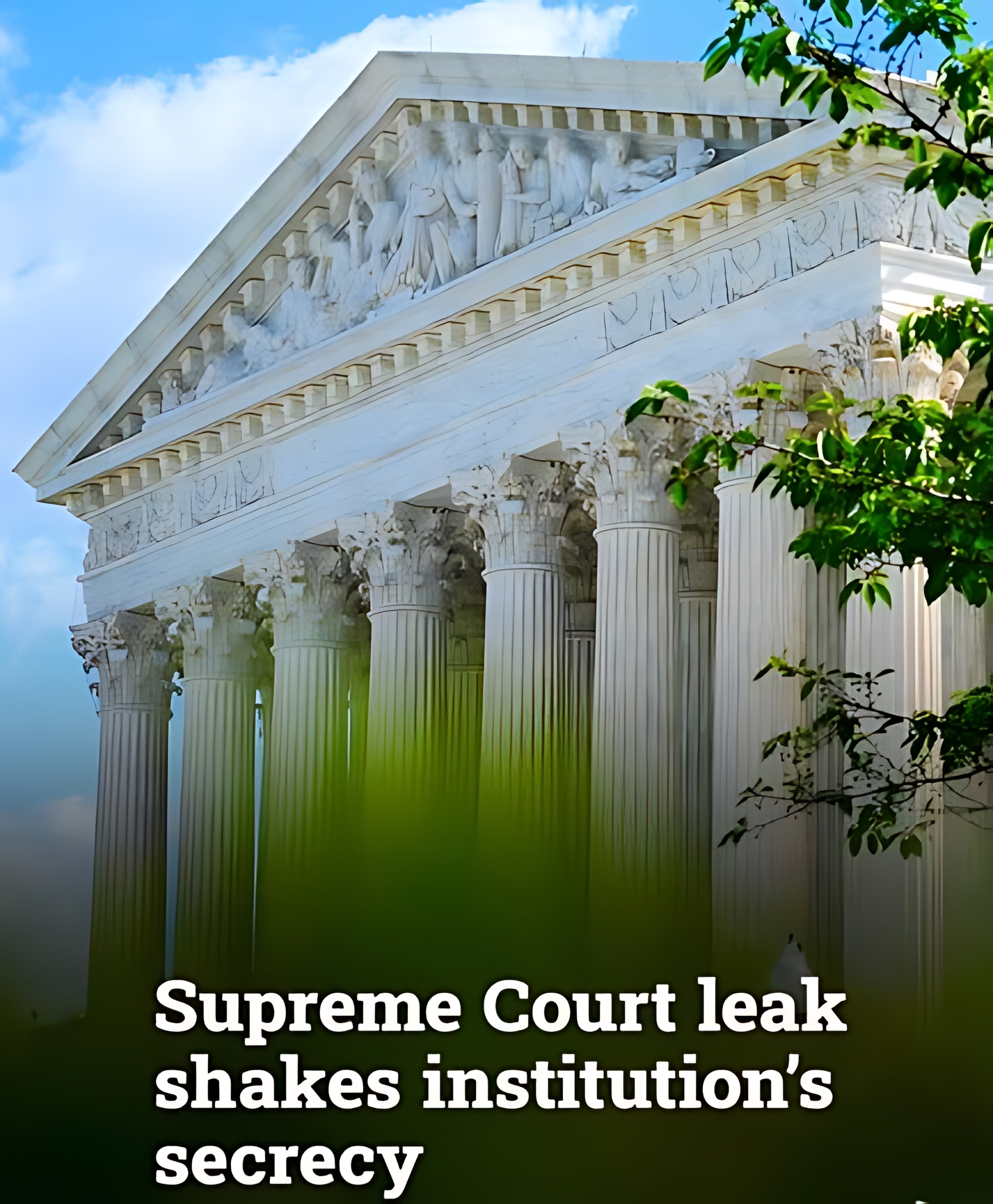
A newly published trove of internal Supreme Court memos has exposed the Court’s private deliberations with unprecedented detail, shaking the foundations of an institution that has traditionally operated behind a near‑impenetrable veil. The New York Times obtained and released 16 pages of confidential documents from 2016, revealing how the justices debated and ultimately blocked the Obama administration’s Clean Power Plan.
These memos illuminate the origins of what critics call the “shadow docket” — a fast‑moving, often opaque process the Court uses to issue major decisions without full briefing or oral argument. According to reporting, this mechanism has since delivered numerous high‑impact rulings, including several benefiting President Trump.
But even scholars who coined the term “shadow docket” say the real scandal is the leak itself. University of Chicago professor William Baude warned that such disclosures “damage the institutional culture of the Court and do little good,” underscoring how rare and destabilizing these breaches are.
A Pattern of Leaks — and Eroding Trust
This is not an isolated incident. The Court is still grappling with the fallout from the 2022 leak of the draft opinion overturning Roe v. Wade, as well as subsequent disclosures involving internal deliberations on Trump‑related cases.
Repeated leaks have intensified public skepticism. Gallup polling shows the Court’s approval rating hovering near historic lows, between 39% and 42% in 2025.
Legal scholars argue that the leaks reflect deeper institutional strain. Some warn that justices may now avoid writing candid internal memos altogether, fearing future exposure — a shift that could push the Court toward more rigid ideological blocs and less collaborative decision‑making.
A New Era of Secrecy — and Its Consequences
In response to the growing crisis, Chief Justice John Roberts has imposed legally binding nondisclosure agreements on clerks and staff, replacing the Court’s long‑standing reliance on trust and tradition. These NDAs threaten legal action for breaches and mark a dramatic escalation in the Court’s efforts to control internal information.
Experts say the move signals not strength, but vulnerability. Stanford’s Jeffrey Fisher and University of Florida’s Mark Fenster argue that the NDAs reveal declining internal trust and a Court increasingly “under the microscope.”
A Crisis Bigger Than One Leak
The Supreme Court’s legitimacy rests on public confidence in its integrity, impartiality, and independence. With each leak — from draft opinions to internal memos — that confidence erodes further. As one legal scholar noted, the Court’s ability to deliberate candidly is essential to its function; without it, the institution risks becoming more politicized, more divided, and less trusted.
Whether the Court can restore its culture of confidentiality — or whether this marks a permanent shift toward greater scrutiny and internal fragility — remains uncertain. What is clear is that the latest leak has done more than expose secretive practices: it has deepened a crisis of trust at the nation’s highest court.