To understand what’s happening to farmers like Doug Bartek, you have to understand just how tightly the modern farm economy is wound — and how many different pressures are converging on growers at the exact same time.
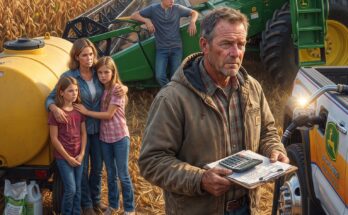
Start with the input costs. Fuel, equipment, and fertilizer prices have climbed sharply, and that increase has been compounded by conflict overseas involving Iran, which has rippled through global energy and supply markets. On top of that sit tariffs — trade policy that, whatever its intent, lands squarely on the shoulders of farmers who depend on both imported inputs and export markets to sell their crop. Then there’s what Bartek describes as outright price gouging by suppliers, and finally, a global supply glut that has pushed soybean prices down at the exact moment growers can least afford it. Northwest Arkansas Democrat-Gazette
It’s a perfect storm, and it’s one Bartek believes is shared by soybean producers across the Midwest — not a one-farm problem, but a regional, structural one. Northwest Arkansas Democrat-Gazette
43 years, and the dirt still gets him
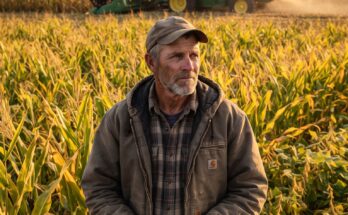
Here’s what makes Bartek’s story land so hard: after 43 years of farming, he says the smell of fresh dirt still gets him excited every spring. That’s not nothing. That’s a man who still loves what he does, who still finds something almost sacred in turning soil for planting season. This isn’t a story about someone burned out on farming. It’s a story about someone who loves it — and is still terrified by what it’s costing him to keep doing it. KTSM
That combination — deep love for the work, paired with real financial fear — is part of what makes this moment in American agriculture so heavy.
The part nobody wants to say out loud
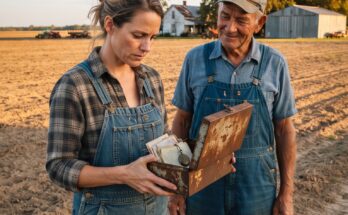
Bartek says he’s heard of farmer suicides, bankruptcies, and what are sometimes called “retirement sales” — forced auctions where farmers, unable to keep going financially, are pushed to sell off their entire operation. These aren’t abstract statistics to him. They’re neighbors. Community members. People whose families, like his, have farmed for generations. KTSM
Bartek compares farming to gambling — farmers, he says, put “millions of dollars in the dirt” every year, hoping the weather, the markets, and the input costs all break in their favor. It’s a comparison that cuts close to the bone: a profession built on generational knowledge and hard physical labor, reduced at times to a bet against forces almost entirely outside your control — commodity markets, trade policy, war on the other side of the world, the price of diesel. KTSM
Even he has doubts
Perhaps the most striking part of Bartek’s story is this: at times, he doubts his own decision to go into farming at all. This is a man who’s spent over four decades in the field, who chairs a statewide soybean association, who represents the fifth generation of his family to work this land — and even he sometimes wonders if he made the right call. KTSM
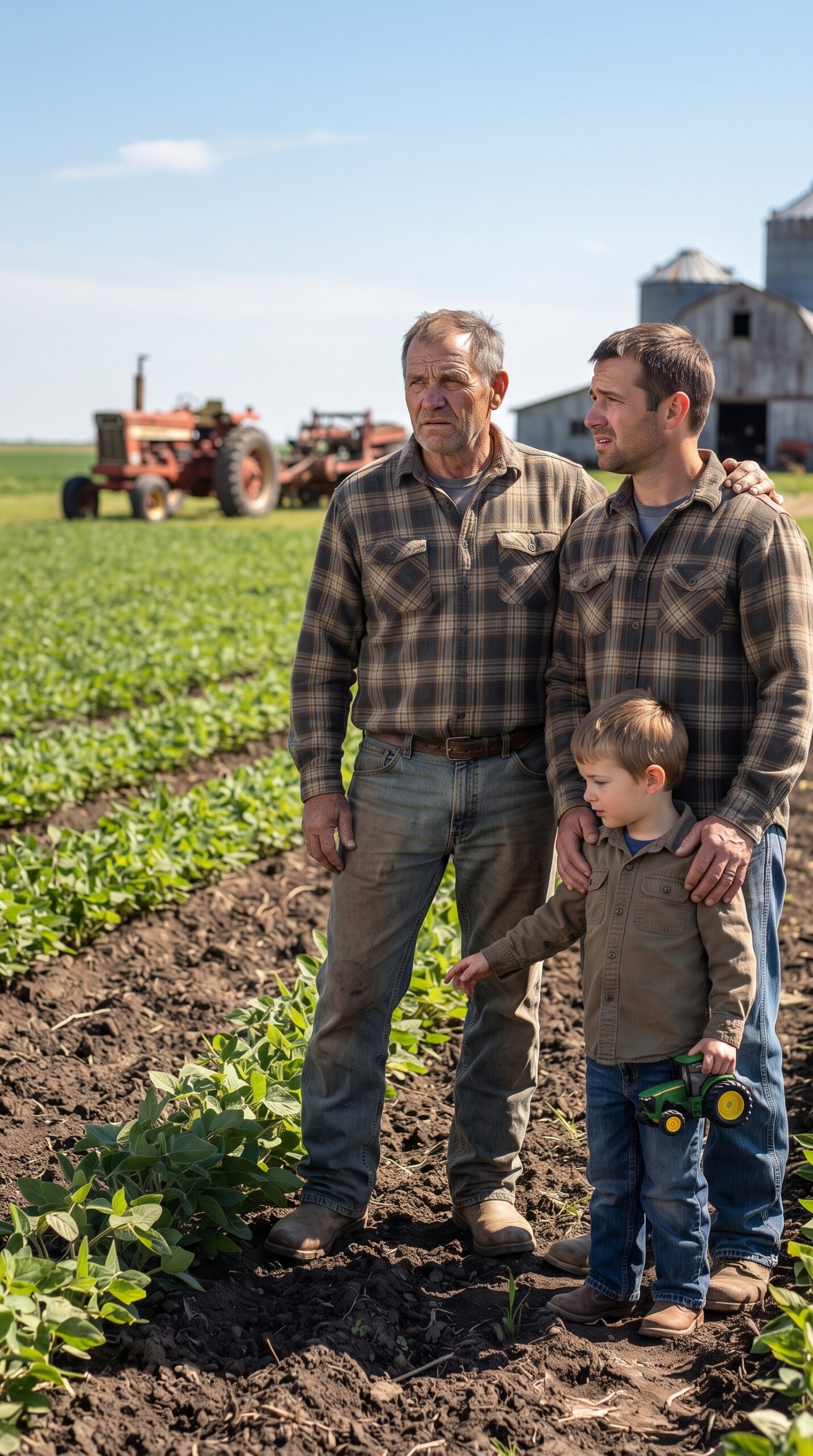
That doubt gets more personal, too. Bartek’s son bought his own farm a few years ago, and now Bartek finds himself asking whether he did the right thing helping his son get into farming in the first place. It’s a question that captures the emotional weight parents in agriculture carry — not just worrying about their own operation, but wondering if they set their children up for the same financial tightrope. KTSM
Bigger than one farm
Agricultural economists point out that the number of farms has shrunk over time, and consolidation has been a long-term trend in the industry — though the financial pressure from high input costs and low commodity prices has clearly accelerated it. In other words: this isn’t just Doug Bartek having a hard year. It’s a pattern playing out across the farm belt, one that’s slowly reshaping who can afford to stay in agriculture at all. WTTW Chicago
Why this story matters
Every bag of soybeans, every gallon of biodiesel, every product on a grocery shelf with soy somewhere in the ingredient list traces back to farmers like Doug Bartek — people absorbing risk most of us never see. Five generations of family history sitting on 2,000 acres in Nebraska, and still, none of that history guarantees safety from a bad market year.
Bartek keeps farming anyway. The dirt still excites him every spring. But his story is a reminder that resilience and fear aren’t opposites — sometimes they exist in the exact same person, on the exact same farm, at the exact same time.